













Content ITV PRO
This is Itvedant Content department
Learning Outcome
5
Choose the right format based on goals
4
Resume types: Chronological, Functional, Combination.
3
Identify key resume sections
2
Recognize the importance of a professional resume
1
Understand the purpose of a resume
Imagine this...
Why?
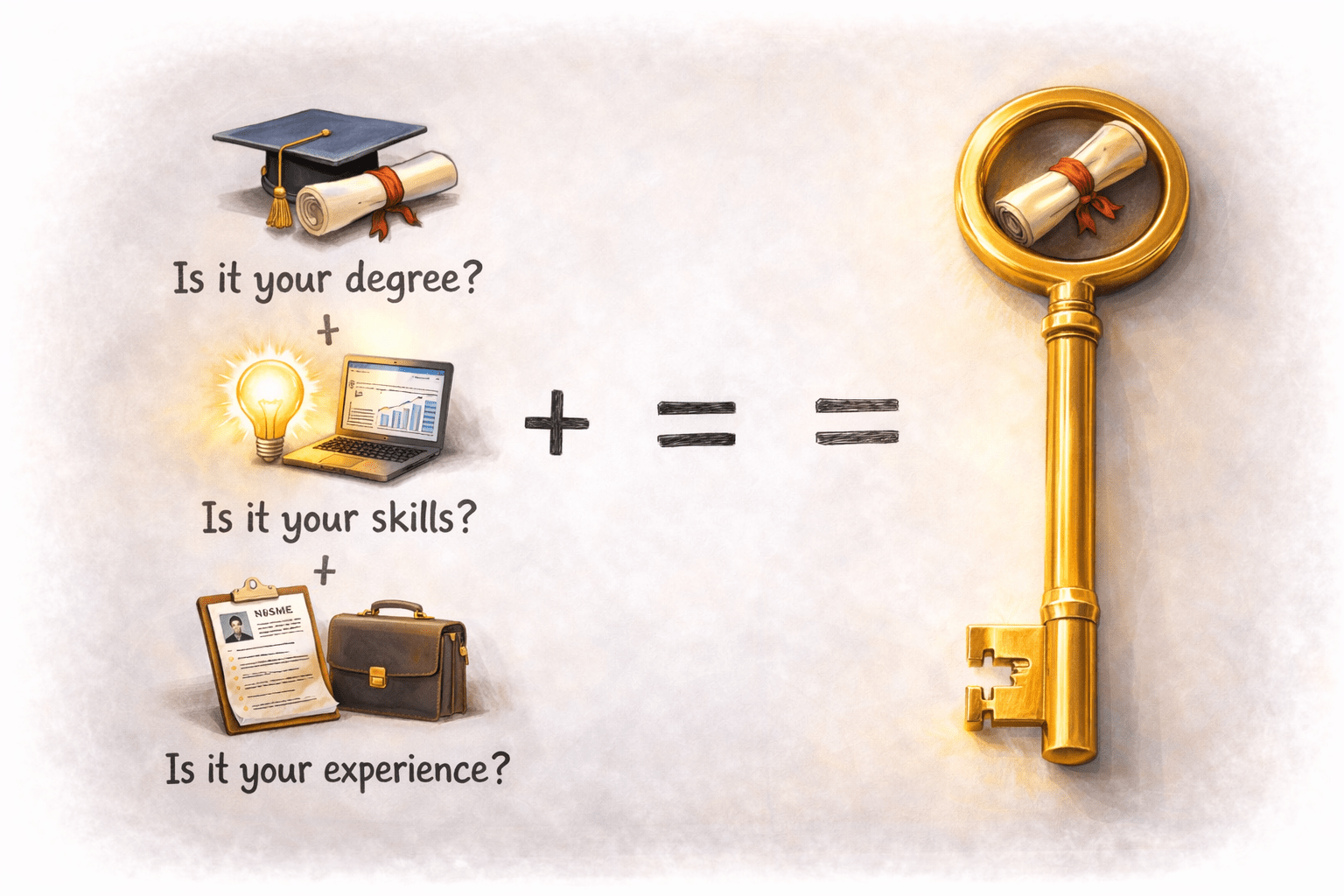
You’re standing in front of a huge door
On the other side… your dream job.
You’ve worked hard
gained skills
completed your education
built experiences.
You’re ready and excited.
You try to open the door...
...but it doesn’t move.
Now here’s the twist...
Because the door doesn’t open with effort alone.
It opens with the right key.
Every candidate standing there has worked hard.
Everyone has skills.
Everyone wants that door to open.
But only those with the right key get inside.
“So what is this key?
Because the recruiter doesn’t see all of that first.
...is your resume.”
The first thing they see...
The only thing that decides if the door opens...
Not exactly...
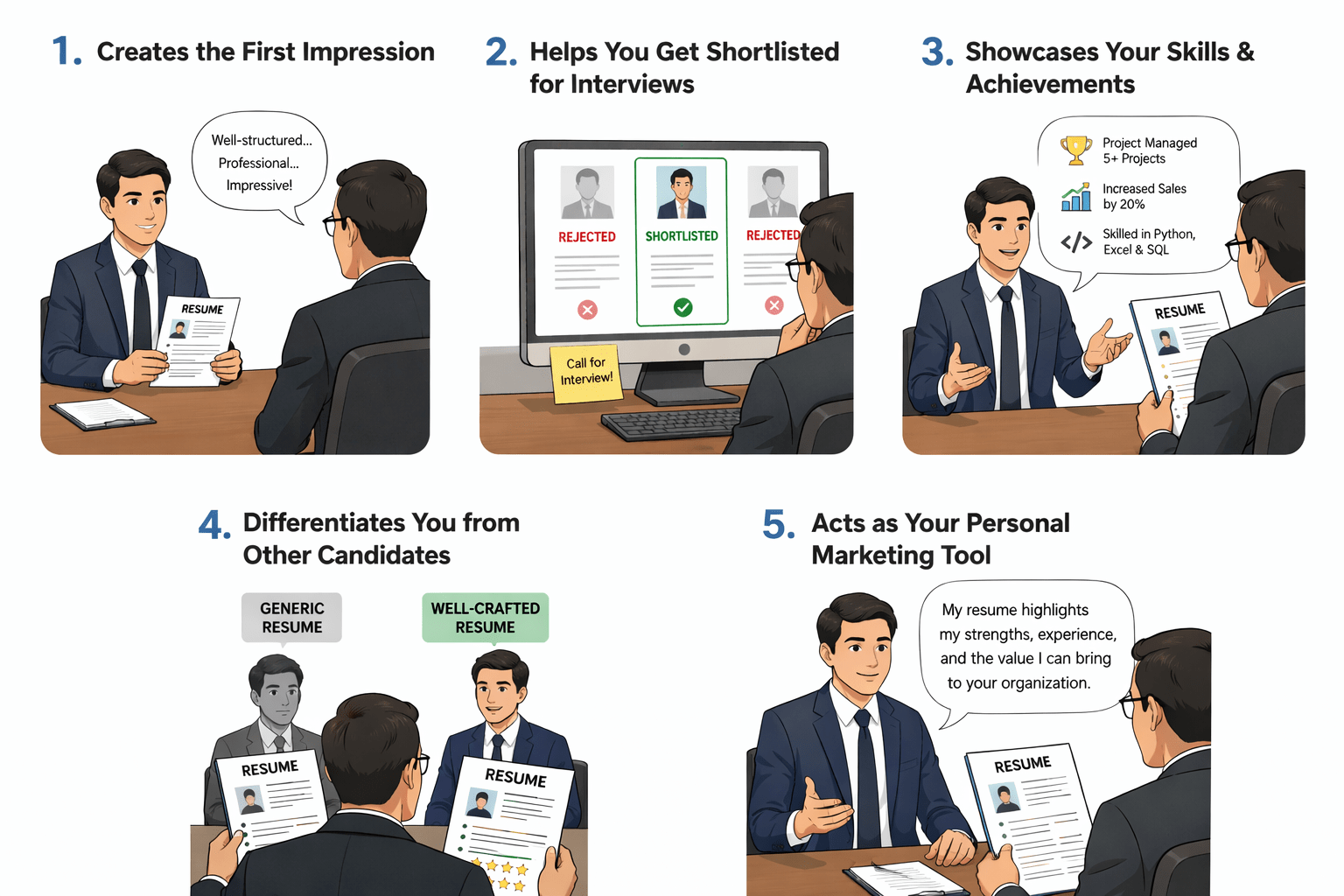
Why Resume Building Matters
Acts as your personal marketing tool
Creates the first impression
Helps you get shortlisted for interviews
Showcases your skills & achievements
Differentiates you from other candidates
Importance of a Professional Resume
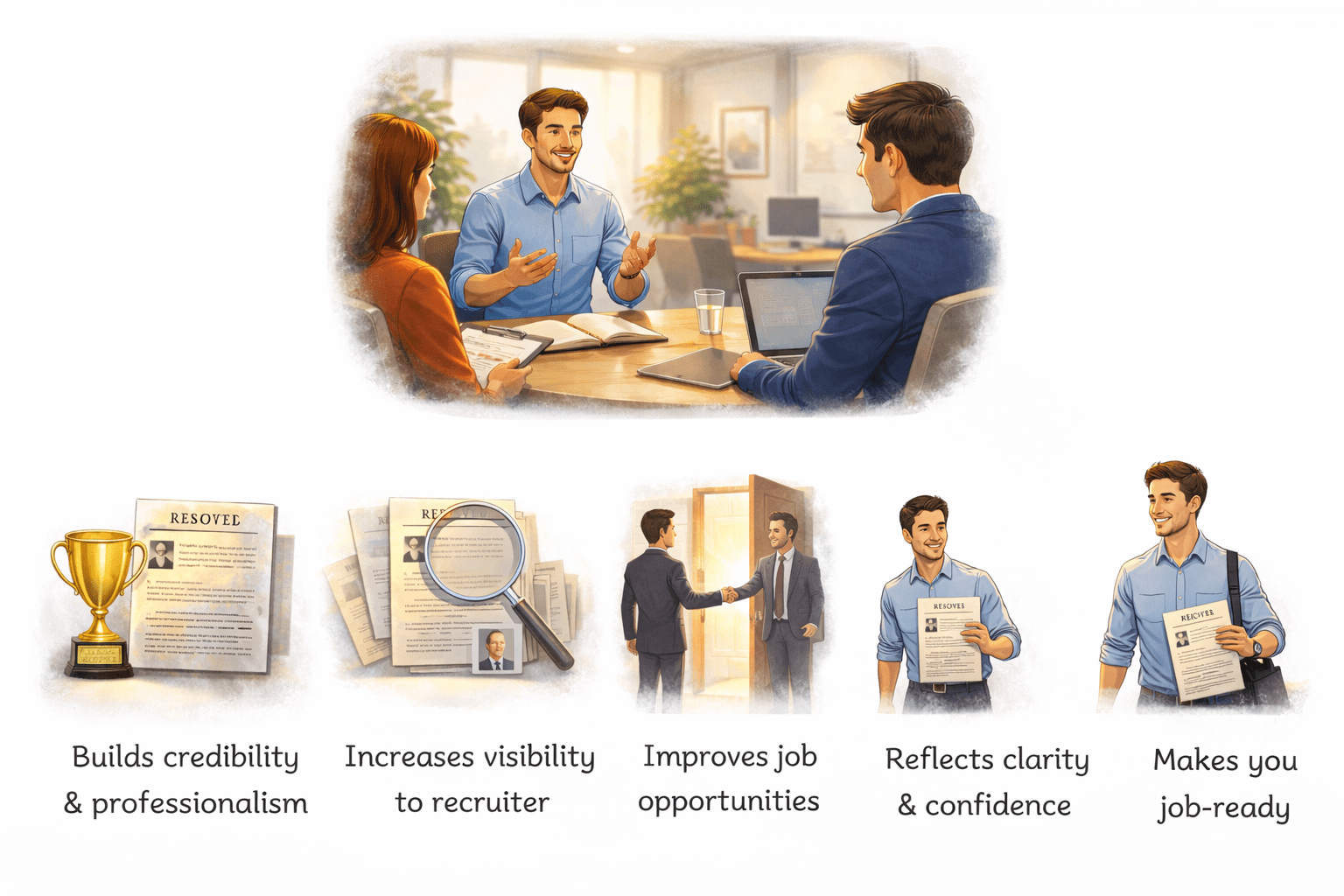
Builds credibility & professionalism
Improves job opportunities
Makes you job-ready
Increases visibility to recruiter
Reflects clarity and confidence
What is a Resume?
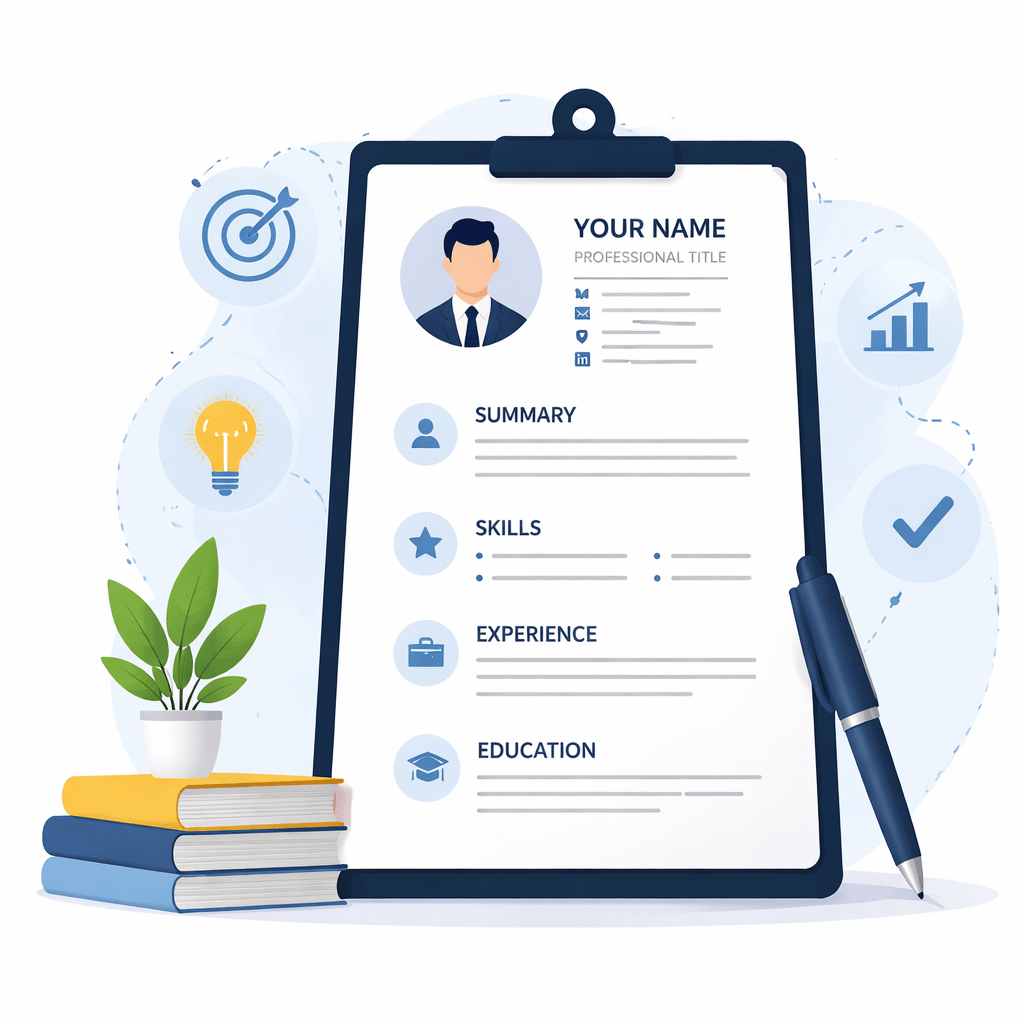
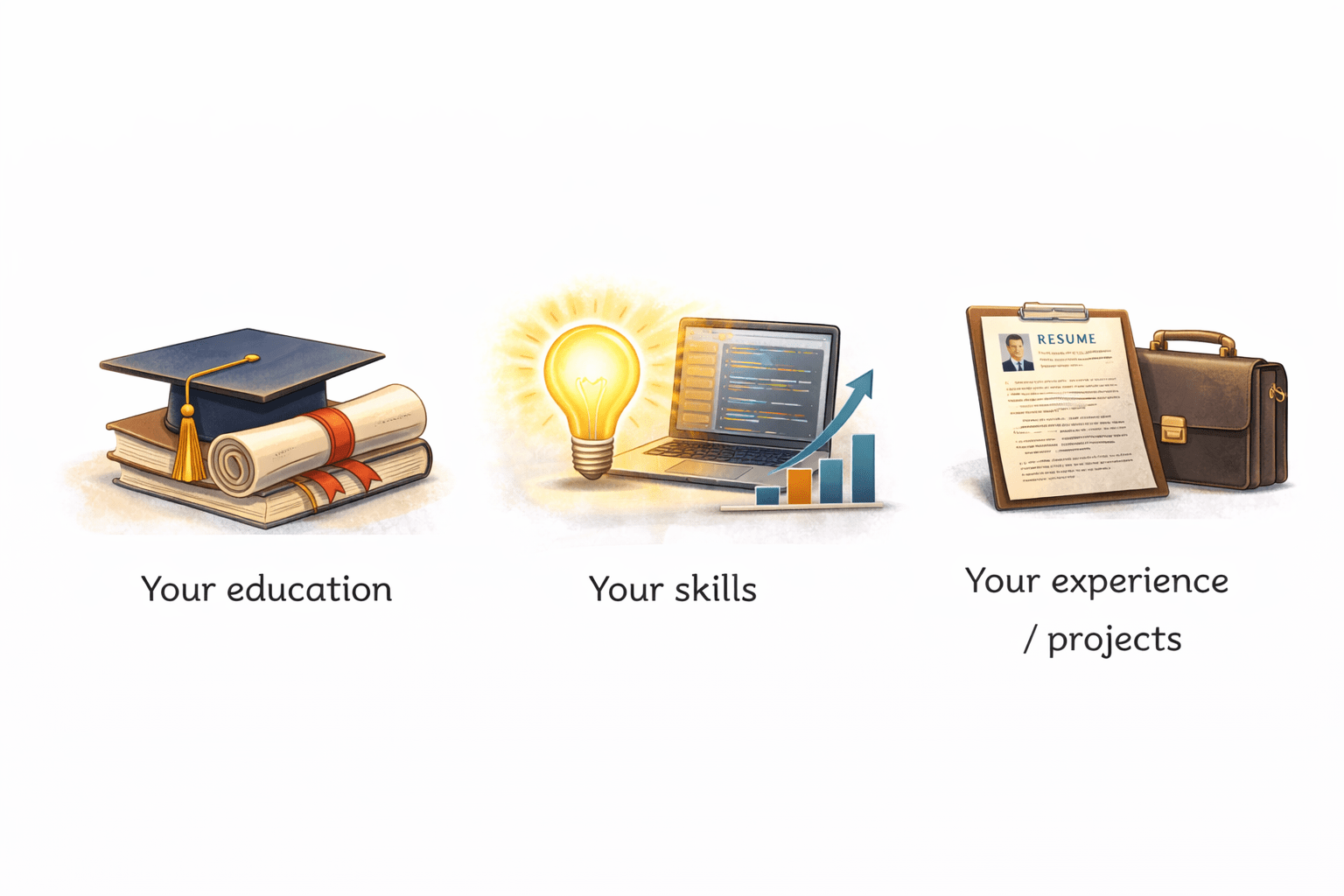
A resume is a 1–2 page professional summary that highlights:
Your achievements
It answers one question for the recruiter:
“Why should I consider this candidate?”
Your education
Your skills
Your experience / projects
WHAT Makes a Good Resume?
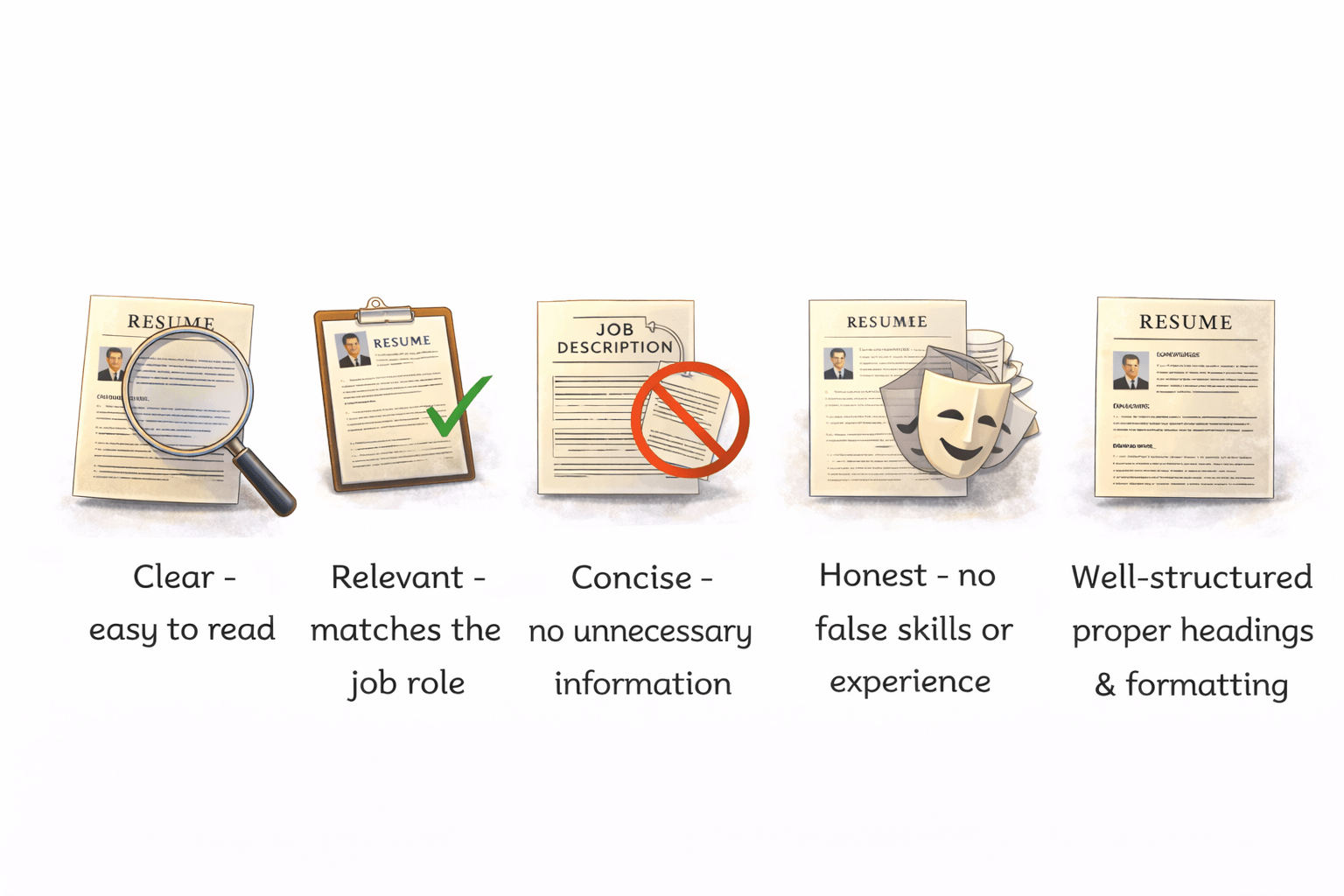
Well-structured – proper headings & formatting
Honest – no false skills or experience
Concise – no unnecessary information
Relevant – matches the job role
Clear – easy to read
Difference Between Resume and CV
| Resume | CV (Curriculum Vitae) |
|---|---|
| Short & concise (1–2 pages) | Detailed & long (2–5+ pages) |
| Used mainly for jobs, internships, placements | Used for academics, research, PhD, teaching |
| Focuses on skills, experience, and achievements | Includes education, research, publications, certifications |
| Customized for each job role | Usually not customized frequently |
| Commonly used in corporate hiring | More common in academic and research fields |
| Purpose: Get shortlisted for an interview | Purpose: Show complete academic and professional history |
Simple Question to Ask Learners
“Are you applying for a corporate job or an academic role?”
Types of Resumes
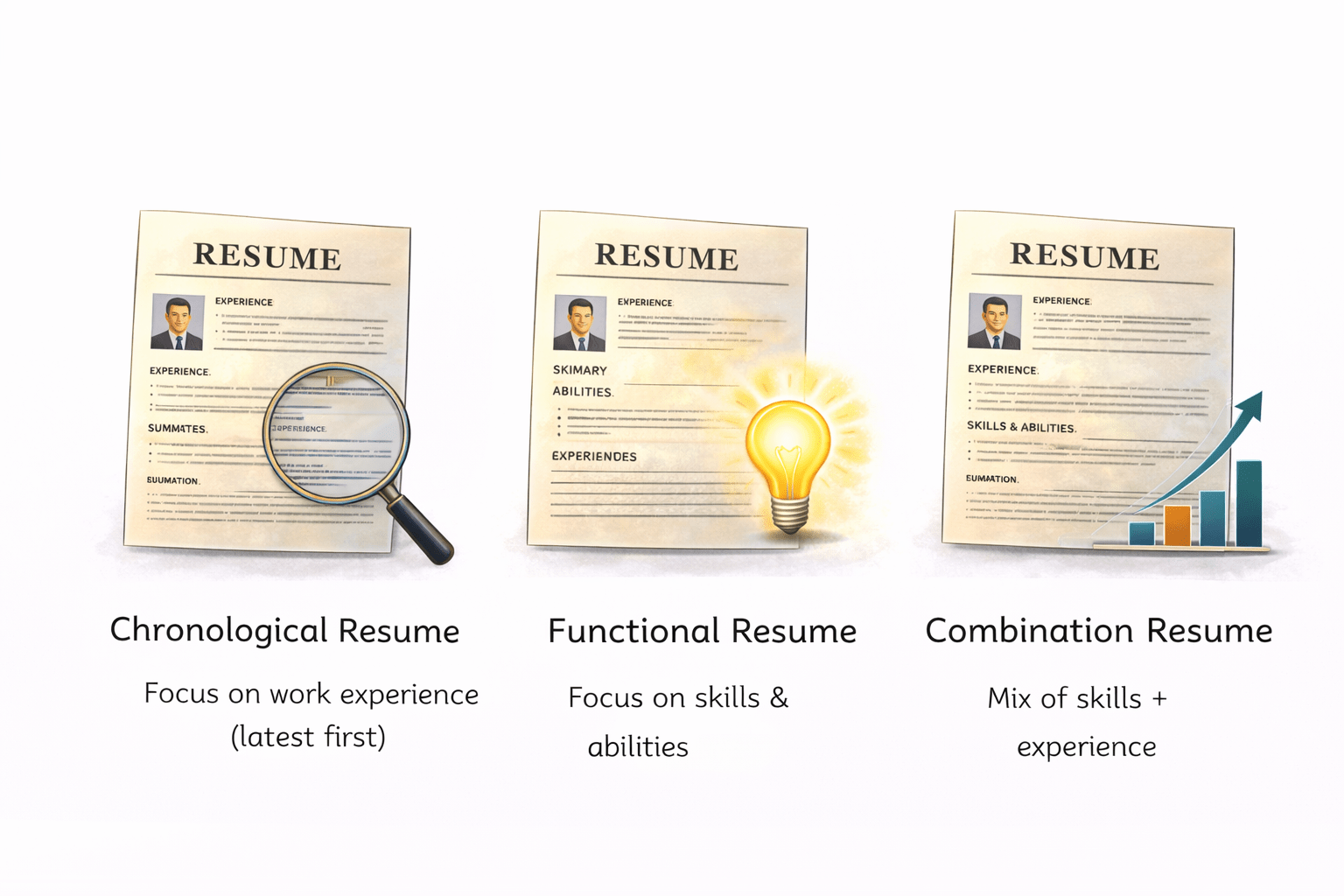
1. Chronological Resume
Focus on work experience (latest first)
2. Functional Resume
Focus on skills & abilities
3. Combination Resume
Mix of skills +experience
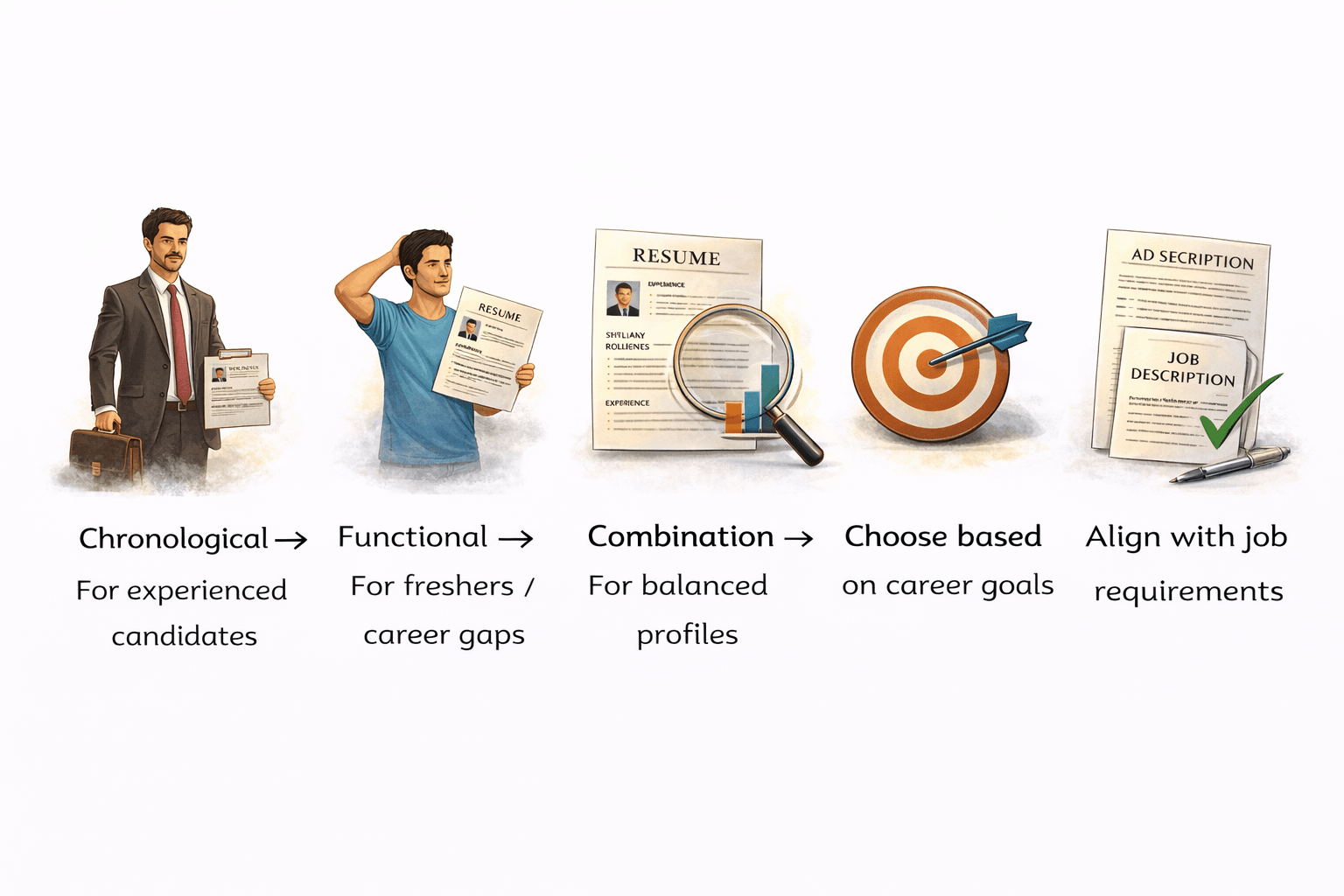
How to choose the Right Resume Type
Chronological → For experienced candidates
Combination → For balanced profiles
Functional → For freshers / career gaps
Choose based on career goals
Align with job requirements
Summary
5
Choose the right format for your goals
4
Understand 3 types of resumes
3
Know key resume sections & purpose
2
A professional resume increases opportunities
1
Resume creates your first impression
Quiz
Which of the following is a key section of a resume?
A. Hobbies only
B. Personal opinions
C. Skills and experience
D. Daily routine
Quiz-Answer
Which of the following is a key section of a resume?
A. Hobbies only
B. Personal opinions
C. Skills and experience
D. Daily routine
By Content ITV