






















Content ITV PRO
This is Itvedant Content department
Learning Outcome
5
Understand KYC for compliance, fraud prevention, and ownership.
4
Identify major Corporate KYC documents.
3
Differentiate Individual and Corporate KYC.
2
Identify key individual KYC documents.
1
Understand the importance of KYC documentation
KYC Documentation
KYC Documents are official proofs used to verify a client's identity, address, and financial background before allowing them to access financial products or services.
KYC documentation falls into two broad categories:
Description
Individual KYC
Retail investors, salaried individuals, sole proprietors, HUFs (Hindu Undivided Families)
Corporate KYC
Category
Private limited companies, public companies, LLPs, partnership firms, trusts, NGOs
Part A — Individual KYC Documents
PAN Card (Permanent Account Number)
Purpose: Unique 10-character alphanumeric tax identity issued to every Indian taxpayer. Mandatory for all financial transactions above Rs.50,000.
Issued By: Income Tax Department, Government of India
Validity: Lifetime validity — no expiry date
Regulatory Basis: Section 139A of Income Tax Act, 1961 | PMLA Rules | SEBI KYC norms
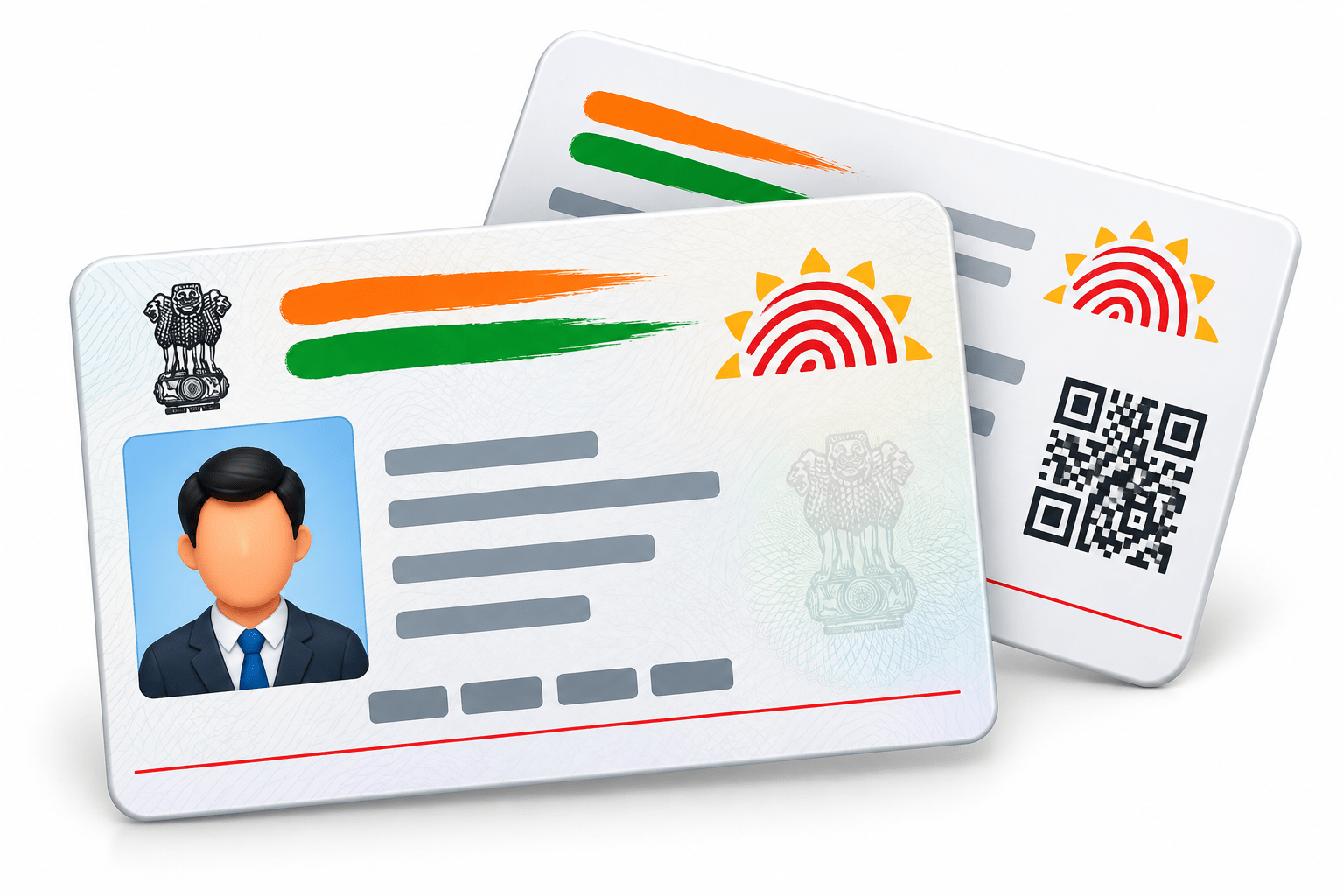
Aadhaar Card (Unique Identification Number)
Purpose: 12-digit biometric identity number that captures fingerprints and iris scans. Serves as both identity and address proof.
Issued By: UIDAI — Unique Identification Authority of India
Validity: Lifetime validity. Address can be updated; core biometrics remain fixed
Regulatory Basis: Aadhaar Act, 2016 | PMLA Rules | RBI KYC Master Direction
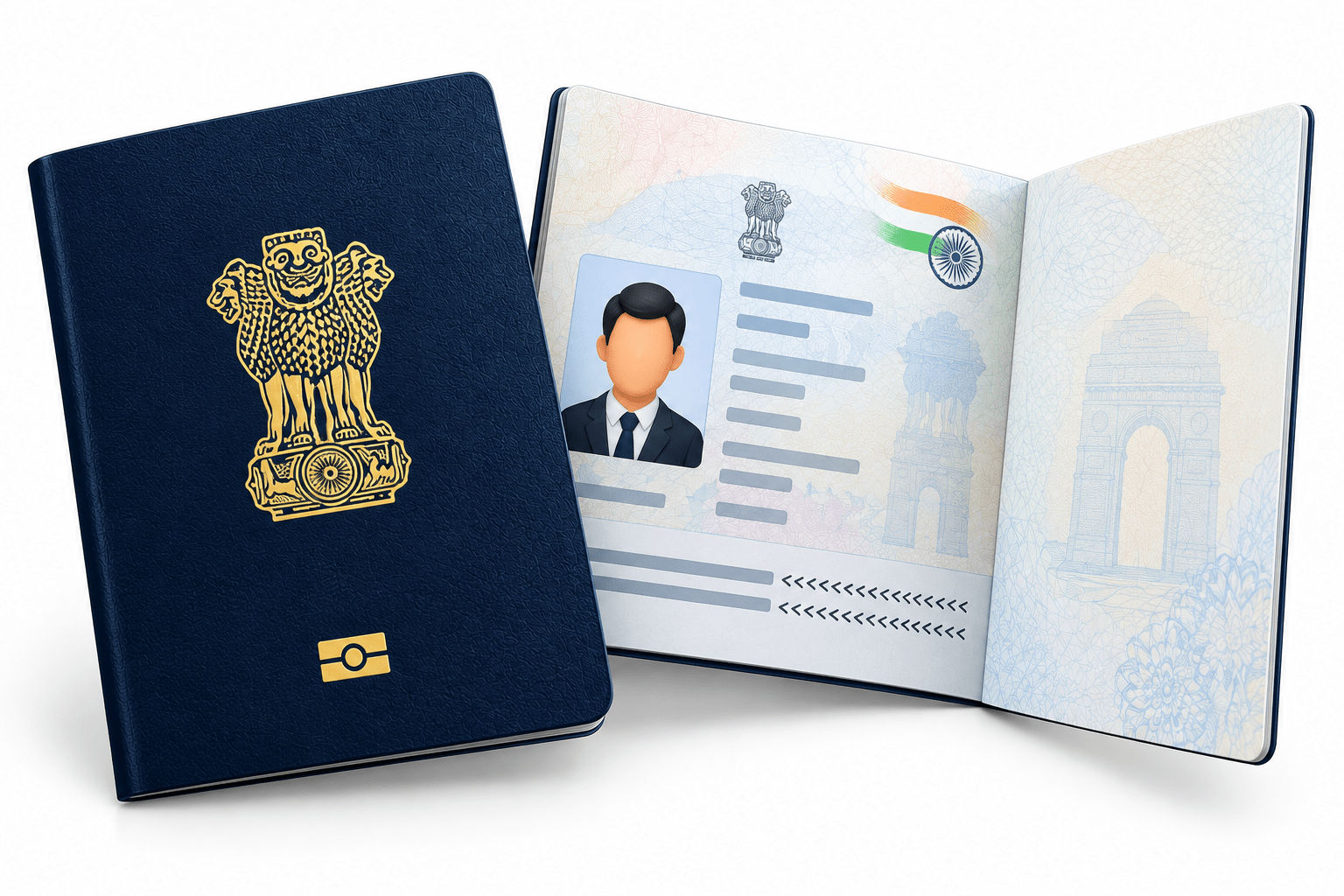
Passport
Purpose: Official government-issued travel document that proves citizenship and identity. Accepted globally as the strongest form of identity proof.
Issued By: Ministry of External Affairs, Government of India (Passport Seva Kendra)
Validity: 10 years for adults (18+) | 5 years for minors (below 18). Renewable.
Regulatory Basis: Passports Act, 1967 | FEMA | PMLA Rules | FATF Recommendation 10
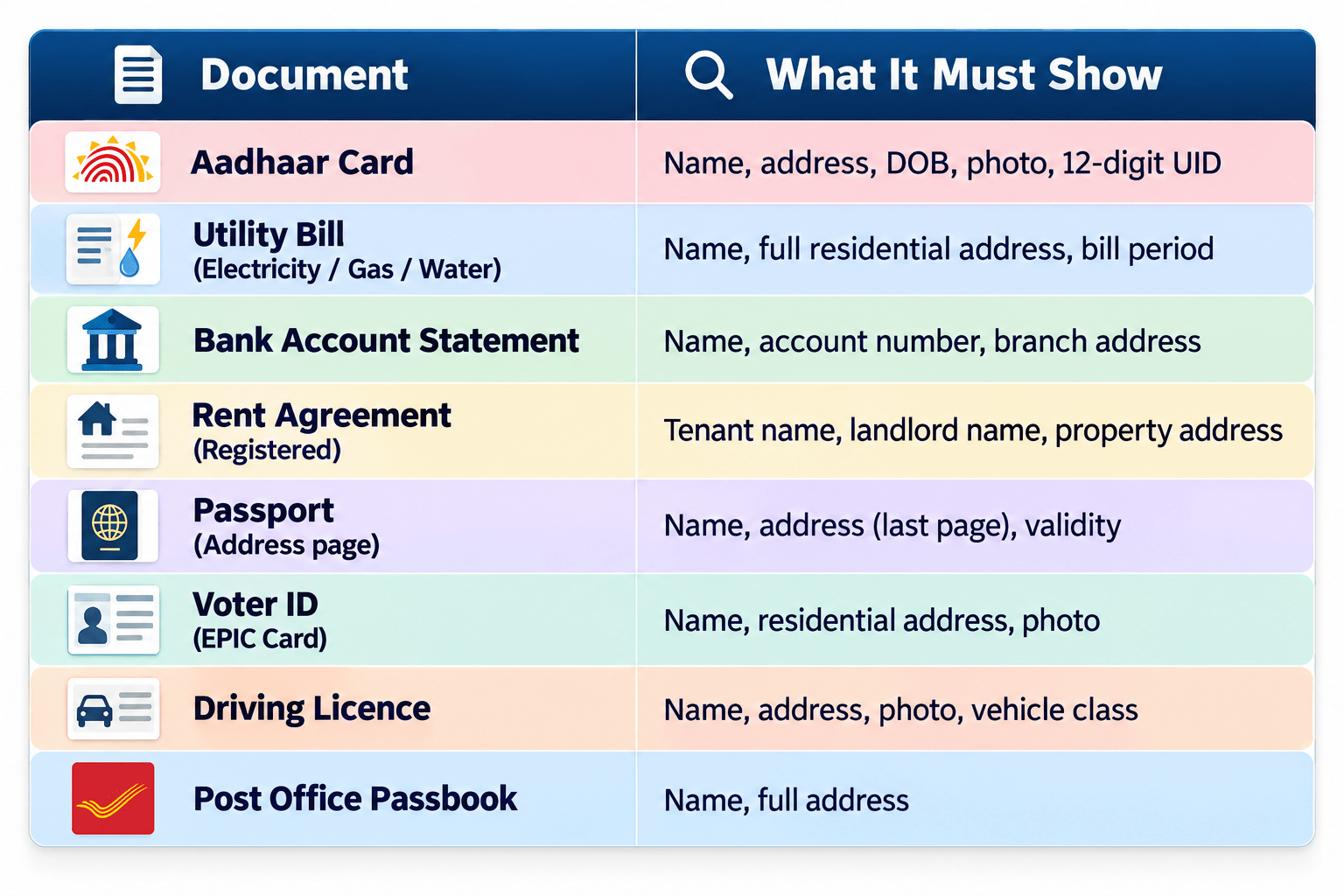
Address Proof
Meaning- Address Proof confirms where the client currently lives. It must be a document issued by a recognised authority, not older than 3 months (for utility bills and bank statements), and must clearly show the client's name and full address.
Part B — Corporate KYC Documents
Meaning- When a company, firm, or institution opens a financial account, KYC is done at two levels: (1) verifying the entity itself, and (2) verifying the individuals who own or control it (Ultimate Beneficial Owners — UBOs).
Corporate KYC — Document-by-Document Breakdown:
Certificate of Incorporation (COI)
Purpose: Official proof that the company legally exists as a registered entity under the Companies Act, 2013.
Issued By: Ministry of Corporate Affairs (MCA) via Registrar of Companies (ROC)
Validity: Lifetime — valid as long as the company exists
Regulatory Basis: Companies Act, 2013 | Section 7 | RBI KYC Master Direction
MOA & AOA (Memorandum & Articles of Association)
Purpose: MOA defines the company's objectives and scope of business. AOA defines the internal rules, governance structure, and powers of directors.
Issued By: Filed with ROC at time of incorporation — certified copies from MCA
Validity: Valid as long as the company is registered (updated versions if amendments made)
Regulatory Basis: Companies Act, 2013 | Sections 4 & 5
Board Resolution
Purpose: A formal written decision passed by the Board of Directors authorising specific individuals to open and operate a bank or financial account on behalf of the company.
Issued By: Issued internally by the company's Board of Directors — certified by Company Secretary
Validity: Valid until revoked by another Board Resolution
Regulatory Basis: Companies Act, 2013 | Banking Companies Act | RBI Guidelines
PAN of the Company
Purpose: Every registered company, LLP, firm, or trust must have its own PAN — distinct from the personal PAN of its directors or partners.
Issued By: Income Tax Department, Government of India
Validity: Lifetime — no expiry
Regulatory Basis: Section 139A Income Tax Act | PMLA Rules | SEBI circular
Individual KYC of Directors / Partners / Authorised Signatories
Purpose: Every individual who controls, owns, or operates the company must submit their personal KYC documents — PAN, Aadhaar, and address proof.
Issued By: Each individual director/partner submits their own documents
Validity: Must be refreshed every 2 years for high-risk clients; every 8-10 years for low-risk
Regulatory Basis: PMLA, 2002 | RBI Master Direction on KYC | FATF Recommendation 24 (Beneficial Ownership)
Who Must Submit Individual KYC:
All directors of a Private/Public Limited Company
All partners of a Partnership Firm or LLP
Trustees and beneficiaries of a Trust
Ultimate Beneficial Owners (UBOs) — individuals holding >25% ownership
Why This Matters: Shell companies are often used to hide money laundering. By KYC-ing every individual behind a company, institutions can identify the real human beings ultimately controlling the funds.
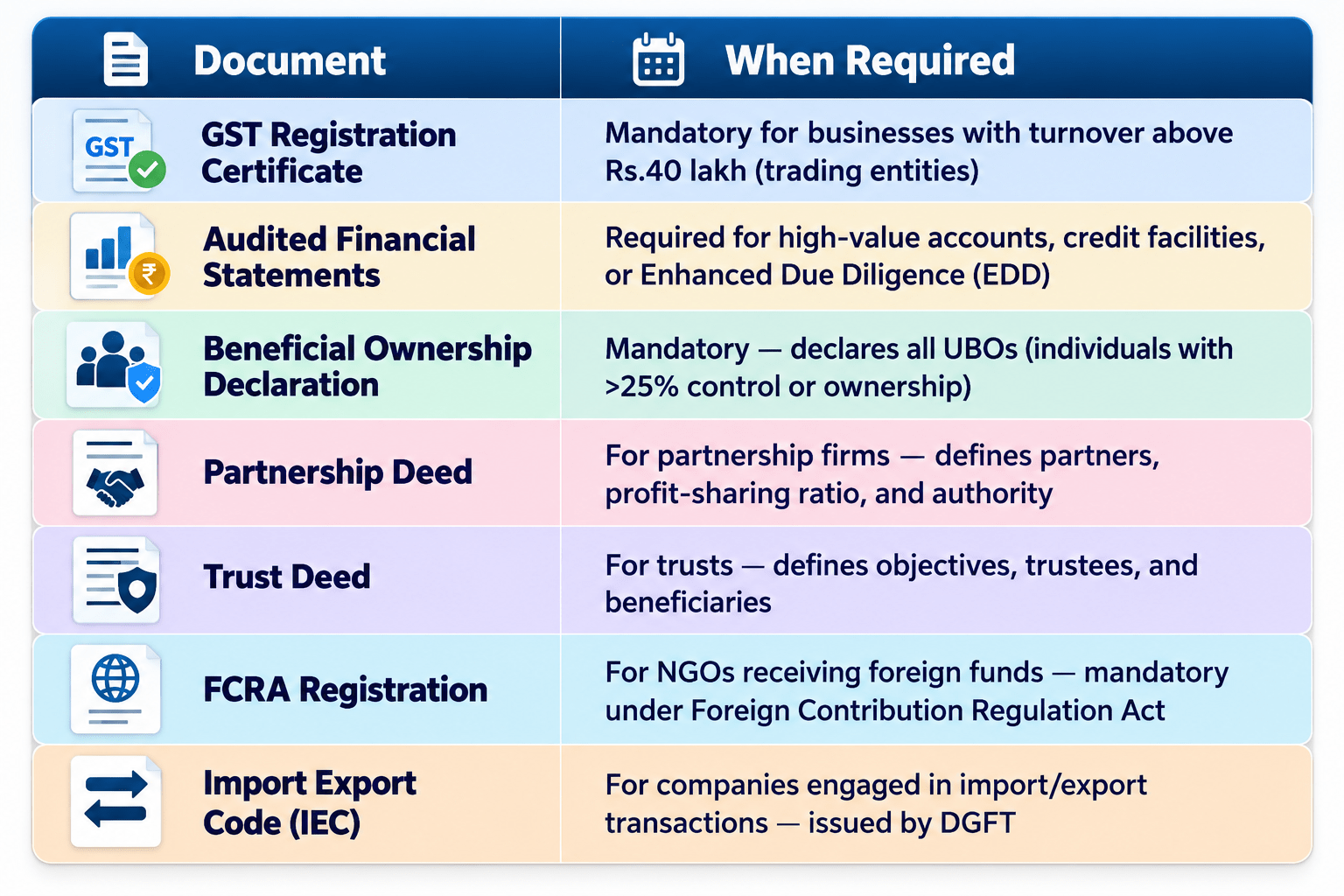
Additional Corporate Documents (Situation-Specific):
Summary
5
KYC prevents fraud, money laundering, and shell-company misuse.
4
COI, MOA/AOA, Board Resolution, PAN & Director KYC.
3
Corporate KYC verifies the entity and its owners.
2
Individual KYC: PAN, Aadhaar, Passport, and Address Proof.
1
Verify client identity, address, and financial background.
Quiz
Which document serves as a unique tax identity for individuals and companies in India?
A. Aadhaar Card
B. Passport
C. PAN Card
D. Voter ID
Quiz-Answer
Which document serves as a unique tax identity for individuals and companies in India?
A. Aadhaar Card
B. Passport
C. PAN Card
D. Voter ID
By Content ITV