The Bayonet Constitution
American history 2
— Brendan Summers
What Was the Bayonet Constitution?
The Bayonet Constitution was a new constitution forced on King Kalākaua of Hawaii in 1887. It limited the power of the Hawaiian monarchy and shifted power toward wealthy business leaders and foreign residents. It got the name “Bayonet Constitution” because the king signed it under threat of force.
Important Date
The Bayonet Constitution was signed by King Kalākaua on July 6, 1887, and officially put into effect on July 7, 1887. This date is important because it marked a major turning point in Hawaiian history. After this, the king had much less power than before.
Process
The constitution changed voting rights in Hawaii. It created property and income requirements that kept many Native Hawaiians from voting. It also allowed many American and European residents to vote, even if they were not Hawaiian citizens. Asian residents were blocked from voting completely.
The Bayonet Constitution took away much of the king’s authority. The king could no longer act as freely without approval from his cabinet. It also gave more power to the legislature and cabinet. This made the monarchy weaker and gave more control to political and business elites.
How It Weakened the King
Voting Rights Changed
Who Was King Kalākaua?
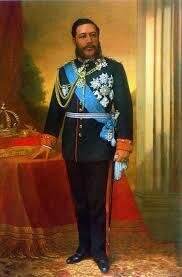
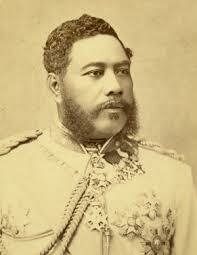
King David Kalākaua was the Hawaiian monarch at the time. He ruled Hawaii from 1874 to 1891. He supported Hawaiian culture and wanted to protect the kingdom’s independence. However, during his reign, wealthy planters and foreign businessmen gained more political influence.
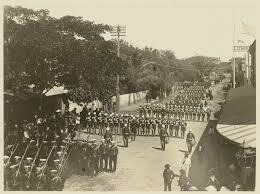
The constitution was pushed by the Hawaiian League, a group made up mostly of wealthy businessmen, sugar planters, and political leaders. Many of them were American or European residents in Hawaii. The Honolulu Rifles, an armed militia, helped pressure the king into accepting the new constitution.
Who Forced the Constitution?
Why Was It Called “Bayonet”?
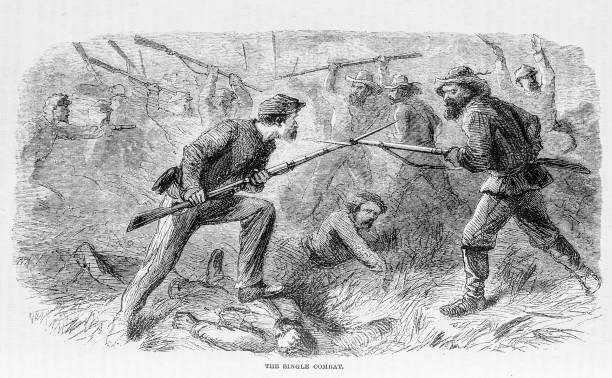
It was called the Bayonet Constitution because King Kalākaua signed it under threat. A bayonet is a blade attached to a rifle, so the nickname shows that force and intimidation were involved. The king was not freely choosing to give up power.

Impact on Native Hawaiians and Asian Residents
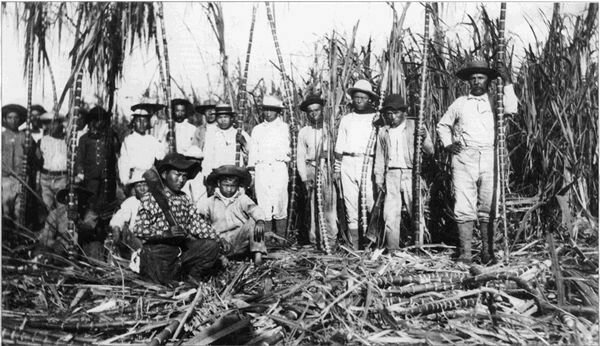
The Bayonet Constitution reduced the political voice of Native Hawaiians. Many lost voting power because of the new requirements. Asian residents, including many plantation workers, were excluded from voting. This shifted political power away from the people of Hawaii and toward wealthy landowners and foreign businessmen.

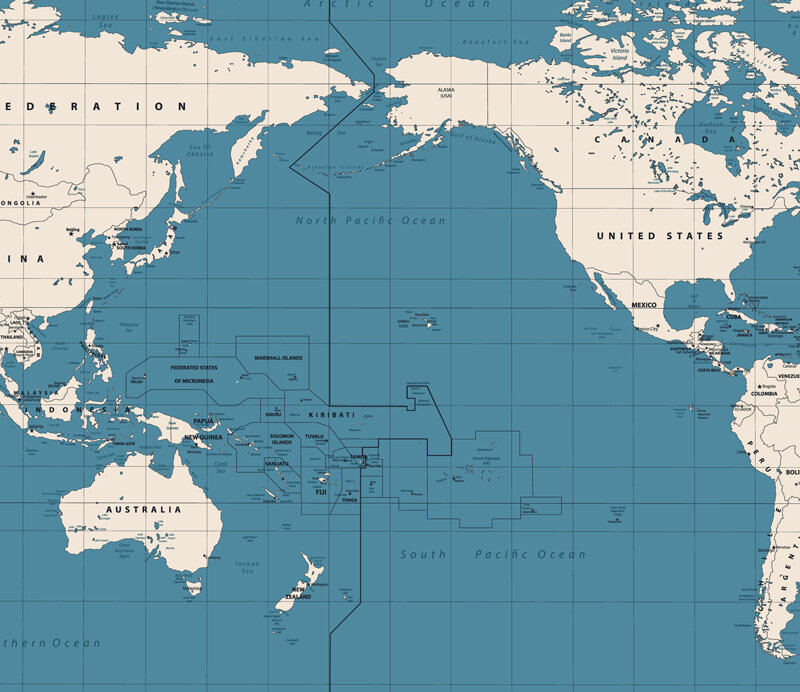
The Bayonet Constitution connects to U.S. expansion because American business interests were growing in Hawaii. Sugar planters wanted political power and closer ties to the United States. Weakening the monarchy made it easier for foreign interests to influence Hawaii’s future.
Connection to U.S. Expansion
Legacy and Later History
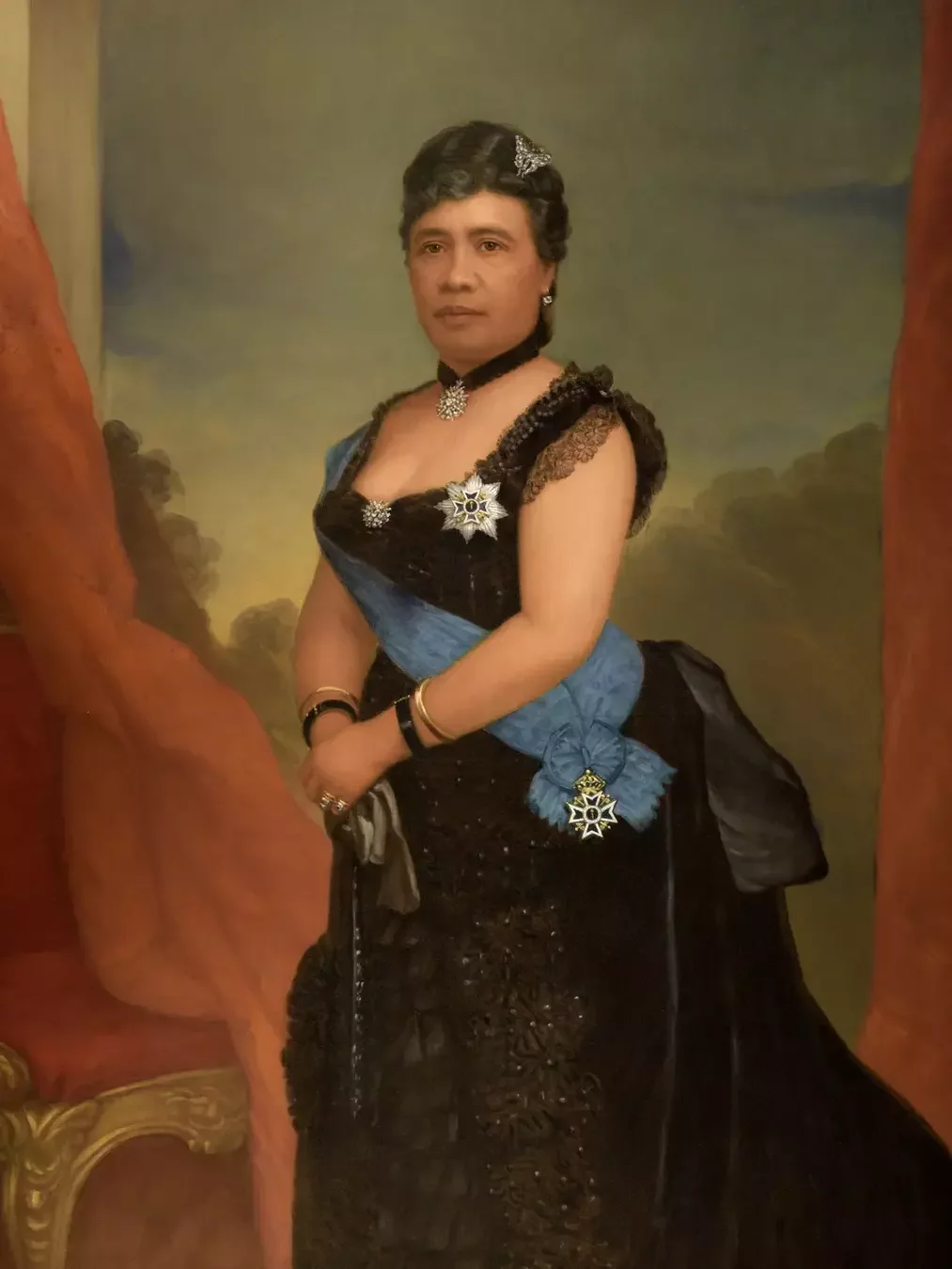
The Bayonet Constitution helped lead toward the overthrow of the Hawaiian monarchy in 1893. When Queen Liliʻuokalani later tried to restore more power to the monarchy, American-backed business leaders opposed her. Hawaii was eventually annexed by the United States in 1898. The Bayonet Constitution is remembered as a major step in the loss of Hawaiian independence.
Interesting Thing I Learned
One interesting thing I learned is that the Bayonet Constitution did not just limit the king. It also changed who had political power in Hawaii. It gave more power to wealthy foreign residents while reducing the voice of Native Hawaiians and excluding Asian residents. This shows how a constitution can be used to take power away instead of protect people’s rights.

Sources
National Archives. “Joint Resolution to Provide for Annexing the Hawaiian Islands.” National Archives, https://www.archives.gov/milestone-documents/joint-resolution-for-annexing-the-hawaiian-islands.
National Library of Medicine. “‘Bayonet Constitution’ Strips the Hawaiian Monarchy of Much of Its Authority.” Native Voices, https://www.nlm.nih.gov/nativevoices/timeline/372.html.
Office of the Historian. “Constitution of the Hawaiian Islands, Signed by His Majesty Kalakaua, July 6, and Promulgated July 7, 1887.” Foreign Relations of the United States, U.S. Department of State, https://history.state.gov/historicaldocuments/frus1894app2/d92.
U.S. House of Representatives: History, Art & Archives. “Hawaii.” History, Art & Archives, https://history.house.gov/Exhibitions-and-Publications/APA/Historical-Essays/Exclusion-and-Empire/Hawaii/.
my spcc source -"The Hawaiian nations struggle for independence
Serif
By CEOSUMMERS