Managing Kubernetes Configurations for OpsMate

Business Scenario
Manager:
We have successfully deployed OpsMate on Kubernetes and learned how to manage resources using kubectl. However, managing application settings directly inside Pods can become difficult as the application grows.


DevOps Engineer:
That's why we need Kubernetes configurations. We can use ConfigMaps and Secrets to manage application settings, environment variables, and sensitive information separately from the application code.

Manager:
How does this benefit our deployment?

DevOps Engineer:
It makes configuration management easier, improves security, and allows us to update settings without rebuilding container images.

Manager:
What will be our implementation plan?

DevOps Engineer:
We will create ConfigMaps for application configurations, Secrets for sensitive data, and integrate them with the OpsMate Deployments.

DevOps Engineer to Team:
Team, we will create and manage Kubernetes ConfigMaps and Secrets, connect them to the OpsMate Pods, verify that configurations are loaded correctly, and test updates without modifying the application image.

Team:
Understood. We will manage OpsMate configurations using Kubernetes ConfigMaps and Secrets to ensure secure, flexible, and maintainable deployments.

Pre-Lab Preparation
-
Create a Namespace
-
Create a ConfigMap
-
Deploy an OpsMate Pod using the ConfigMap
-
Verify configuration inside the Pod
-
Update the ConfigMap
-
Validate configuration changes
Task 1: Verify Cluster
Check cluster:
kubectl cluster-info

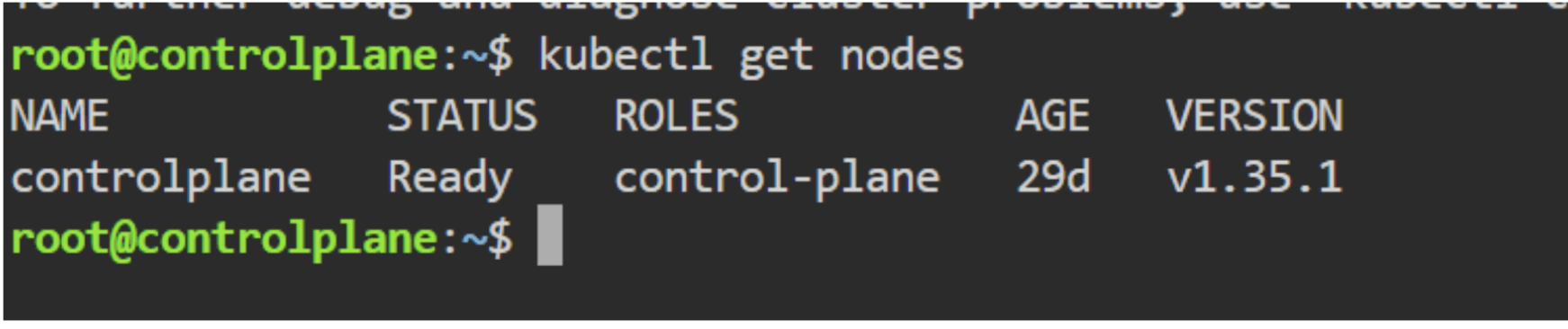
Verify nodes:
kubectl get nodes
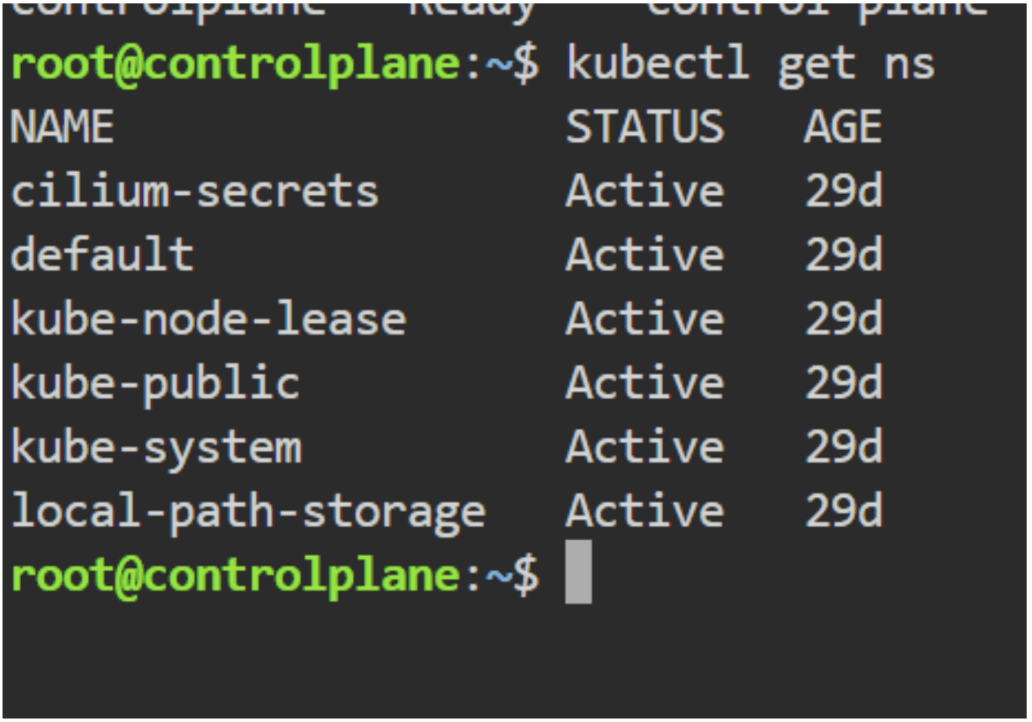
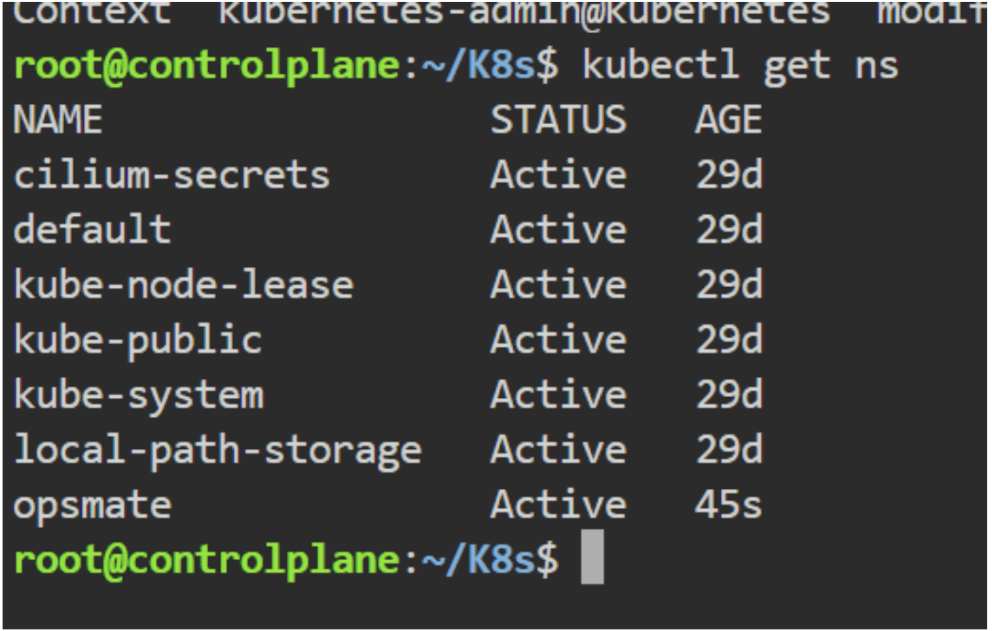
Verify namespaces:
kubectl get ns
Task 2: Create Namespace
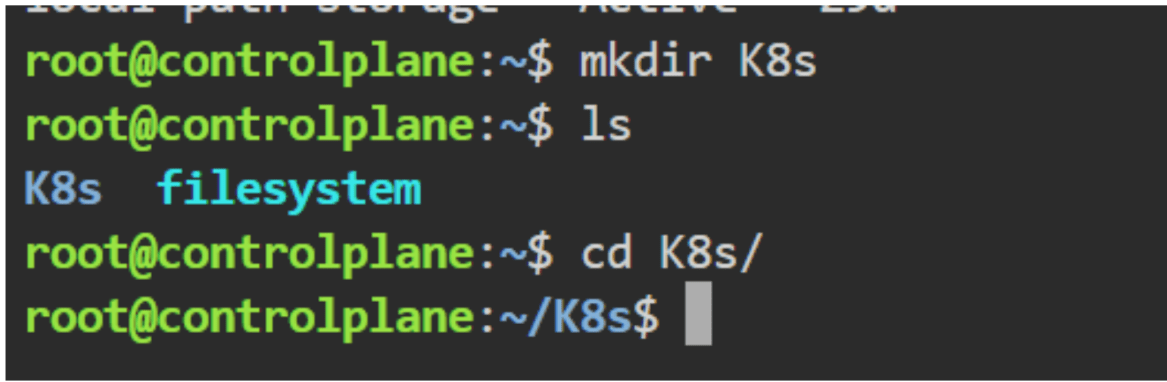
mkdir K8s
cd K8s
Create namespace:
kubectl create namespace opsmate
nano ns.yml
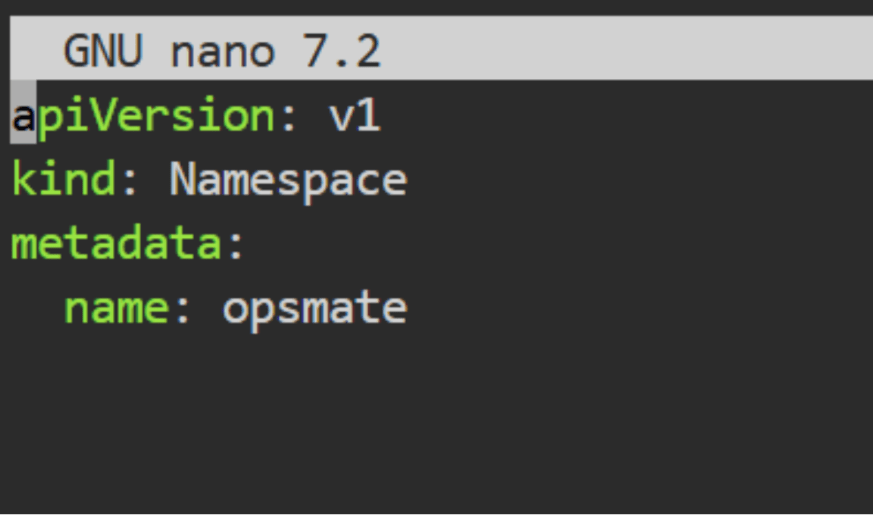
kubectl apply -f ns.yml

Switch to namespace:
kubectl config set-context --current --namespace=opsmate

Verify:
kubectl get ns
Task 3: Create ConfigMap
Create file:
nano configmap.yaml

Paste:
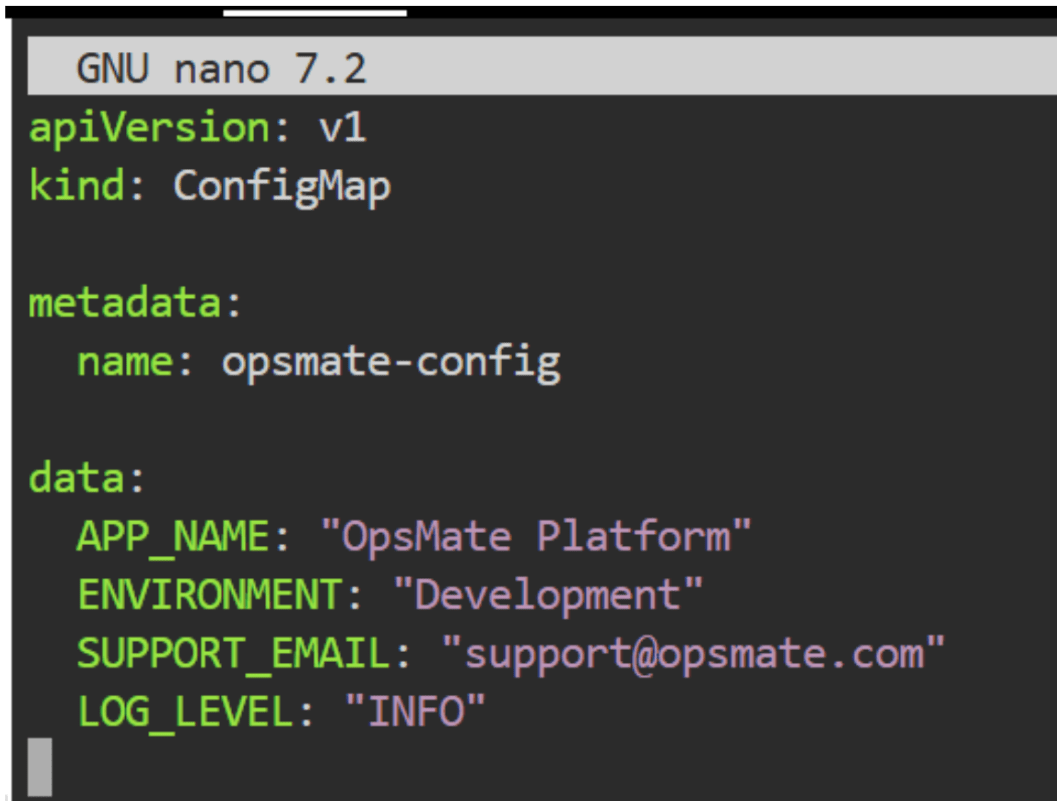
Save and exit.
Apply ConfigMap:
kubectl apply -f configmap.yaml
Verify:
kubectl get configmap
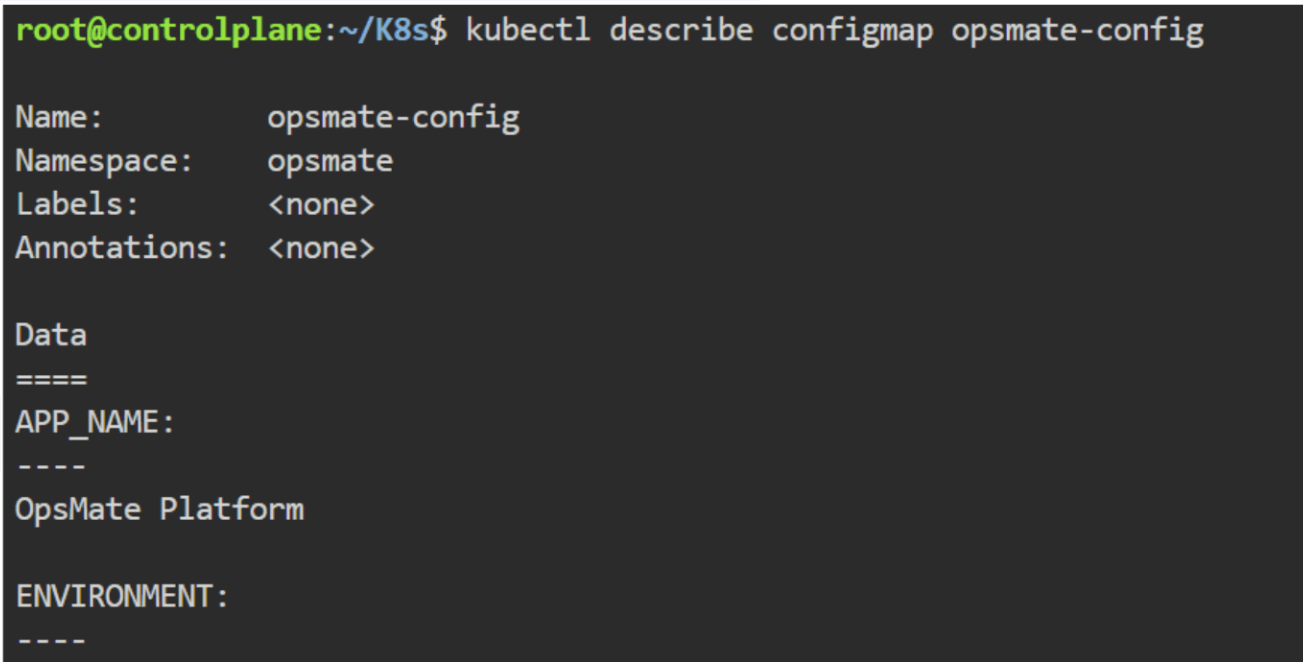
Describe ConfigMap:
kubectl describe configmap opsmate-config
Task 4: Create OpsMate Deployment
Create file:
nano deployment.yaml
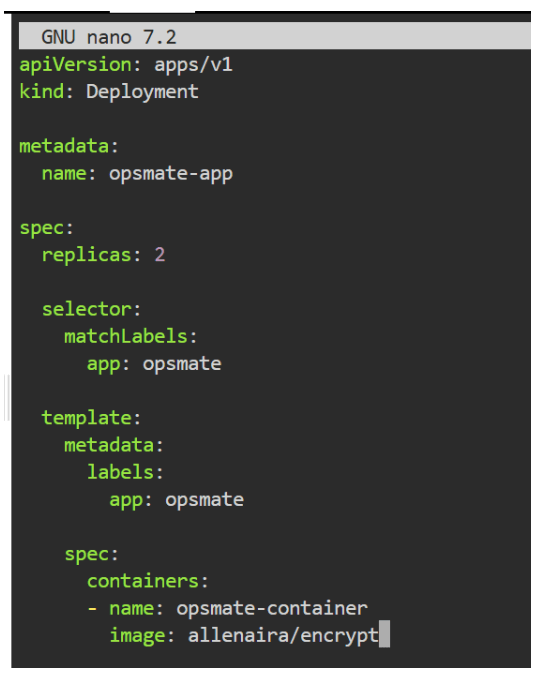
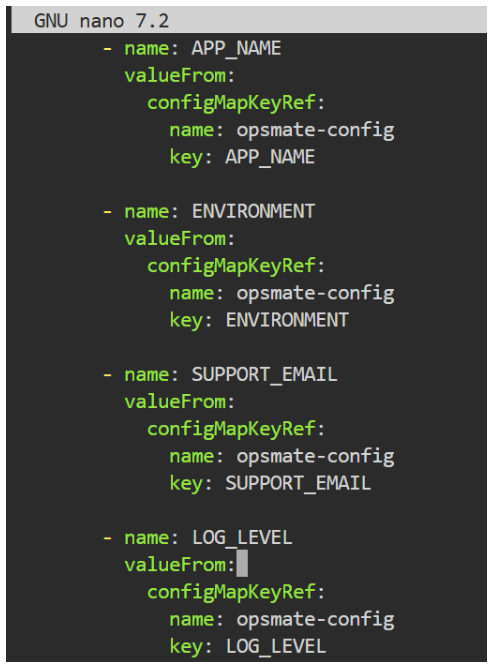
Save and exit.
Deploy application:
kubectl apply -f deploy.yaml

Verify:
kubectl get deployments

Verify Pods:
kubectl get pods
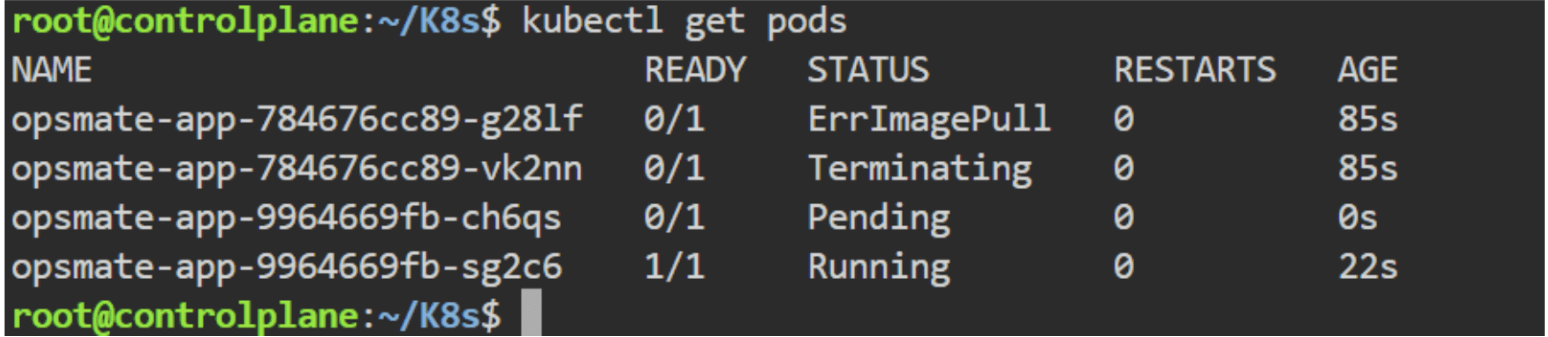
Task 5: Validate ConfigMap Inside Pod
Get Pod name:
kubectl get pods
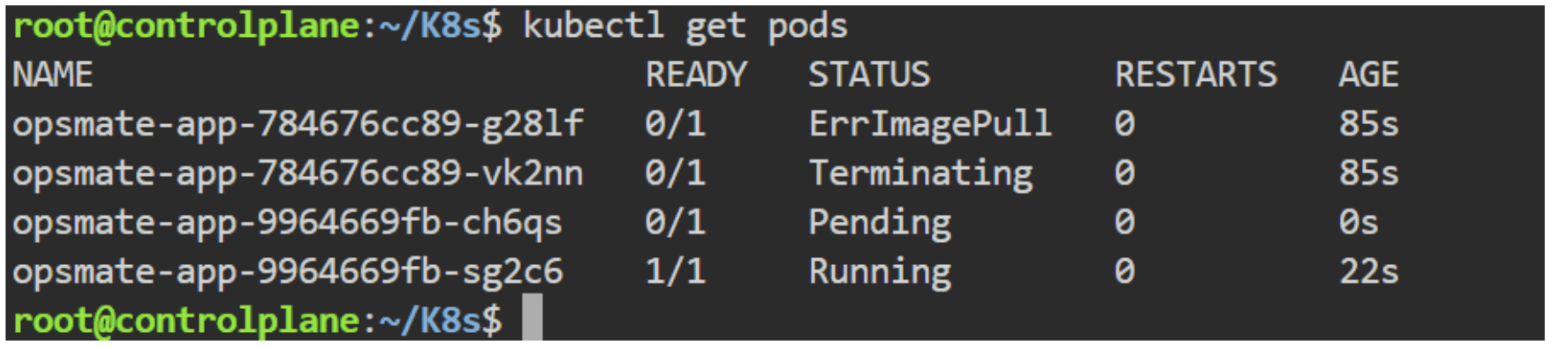
Example:
opsmate-app-65d4b8d7f-abcde
Open Pod shell:
kubectl exec -it opsmate-app-9964669fb-sg2c6 -- bash
kubectl exec -it POD_NAME -- bash
Check environment variables:
env | grep APP
env | grep ENV
env | grep SUPPORT
env | grep LOG

Task 6: Restart Deployment
ConfigMap values are updated.
Restart deployment:
kubectl rollout restart deployment opsmate-app

Verify rollout:
kubectl rollout status deployment opsmate-app
Check Pods:
kubectl get pods

Now lets deploy the nginx application using the
1. Namespace
nano ns.yml
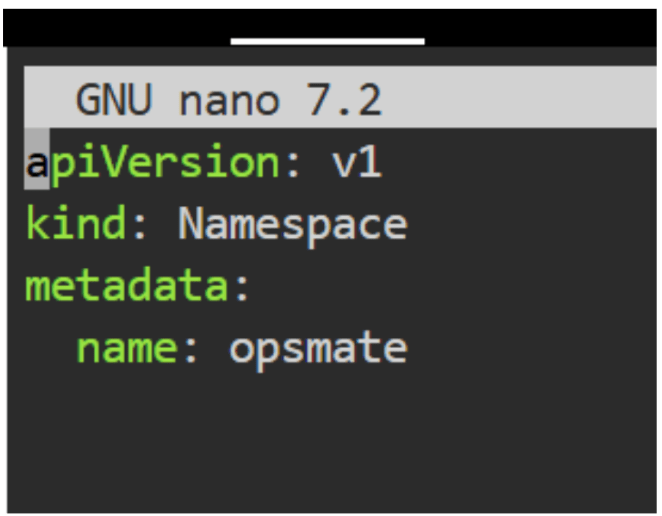
2. Deployment
nano deploy.yml
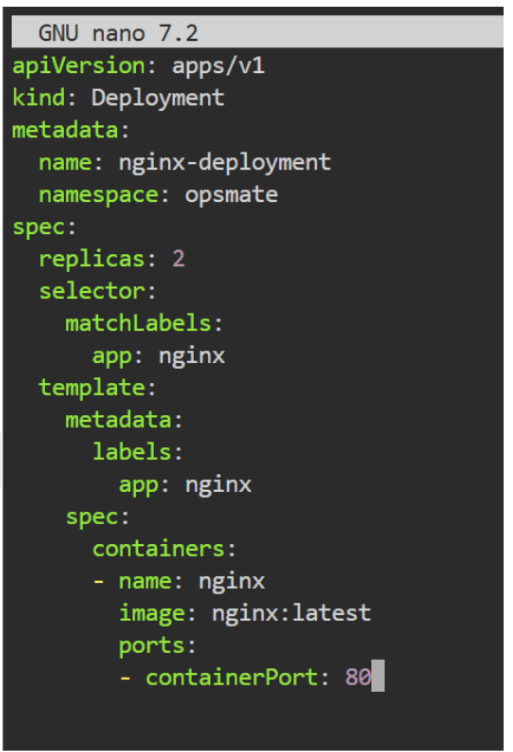
3. Service (ClusterIP)
nano service.yml
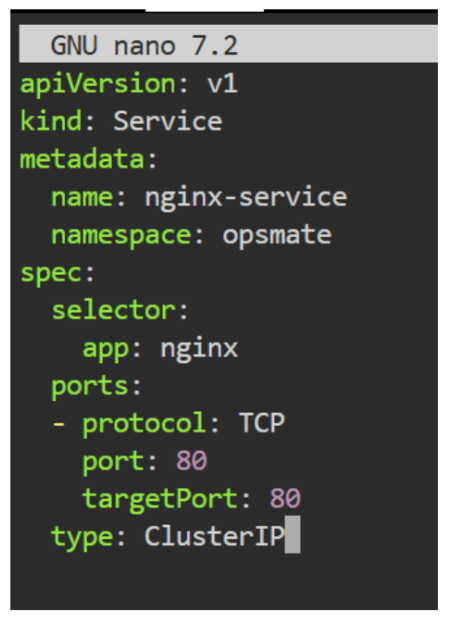
ls
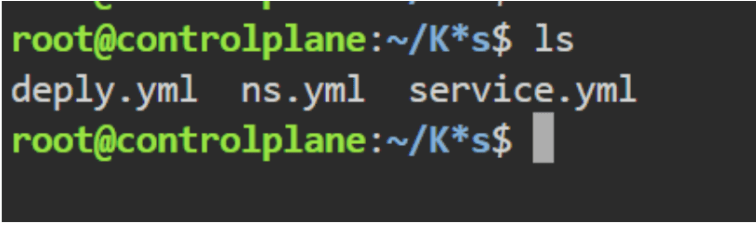
To apply multiple file together
kubectl apply -f 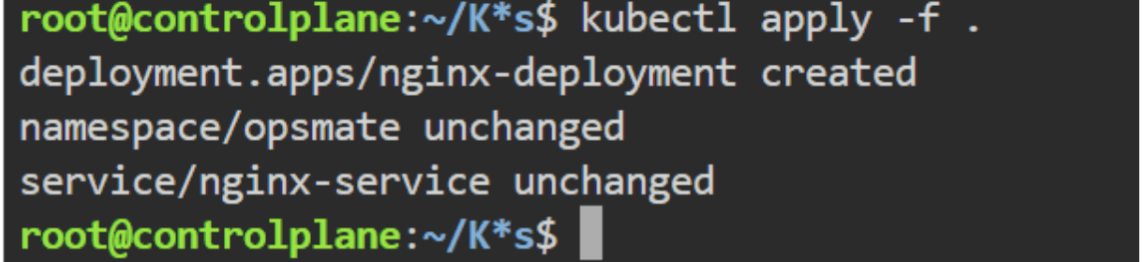
Now lets verify everthings
kubectl get ns
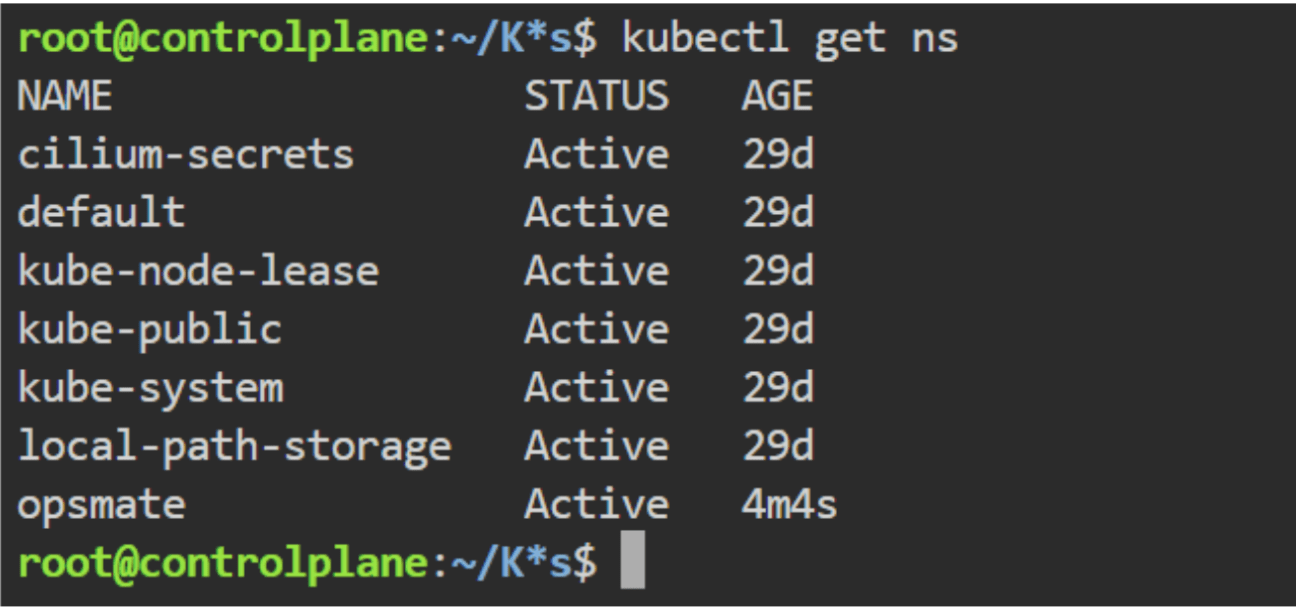
kubectl get deployments -n opsmate

kubectl get pods -n opsmate

kubectl get svc -n opsmate

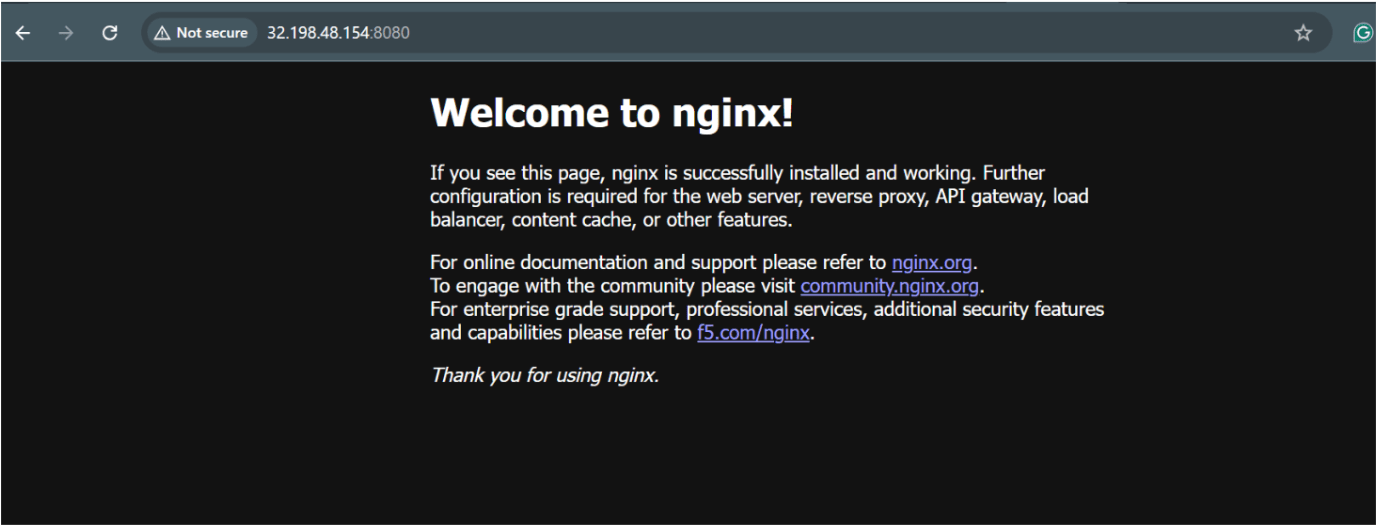
To access it now lets do the port forward
kubectl port-forward -n opsmate svc/nginx-service 8080:80 &

Now lets try to access it using the port 8080
- Created and managed Kubernetes ConfigMaps to store application configuration separately from the container image.
- Integrated ConfigMaps with Deployments and injected configuration values into Pods as environment variables.
- Updated ConfigMap settings, restarted the Deployment, and verified the changes were successfully applied inside running Pods.
Checkpoint