Monitoring on AWS

Introduction to Monitoring on Cloud, Introduction to AWS Cloud Watch


Learning Outcome
5
Understand how CloudWatch supports AWS monitoring
4
Identify core features of CloudWatch
3
Define what AWS CloudWatch is
2
Explain why cloud monitoring is important
1
Understand monitoring in cloud environments
Earlier, we learned
Monitoring means continuous observation of system health
Prometheus collects metrics
Grafana visualizes metrics
Monitoring ensures availability and reliability


Understand the Concept
Imagine you rent a fully furnished apartment
Even though you don’t own the building,


You still need CCTV and electricity monitoring to ensure everything works properly.
In cloud computing, infrastructure is rented
So monitoring must also be handled in a cloud-native way

What is Cloud Monitoring?
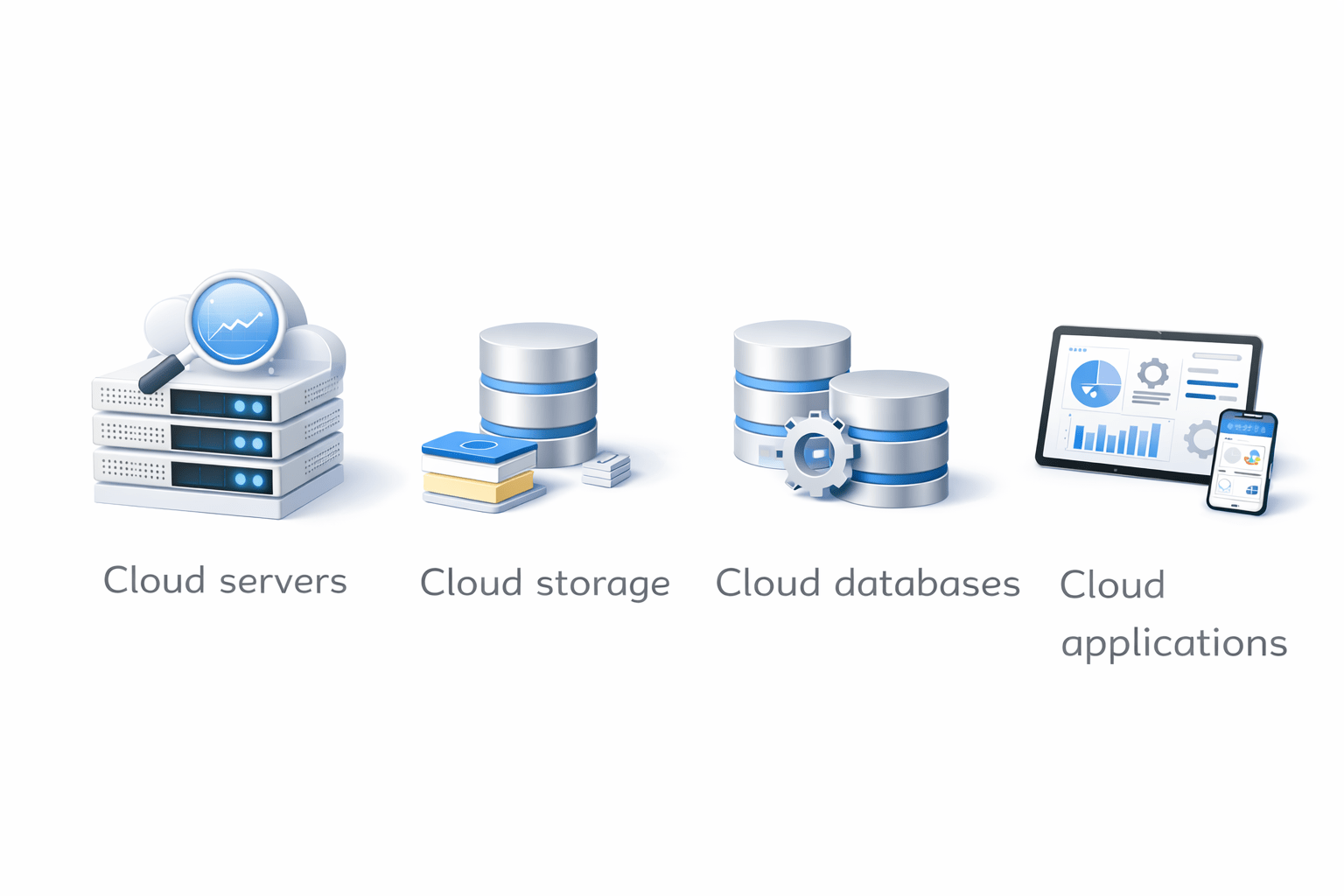
Cloud monitoring means observing
Cloud servers
Cloud applications
Cloud databases
Cloud storage
Cloud monitoring tracks

The health and performance of cloud resources.
What is Cloud Monitoring?
So monitoring must be:
Automated
Scalable
Integrated with cloud services
Unlike traditional servers, cloud resources are:
Dynamic
Automatically created or deleted
Scalable
Why Cloud Monitoring is Important?
In cloud environments
Instances can scale automatically
Multiple services work together
Resources can change frequently
Cloud monitoring helps:
-
Track performance
-
Detect failures
-
Control costs
-
Improve availability
Without monitoring:
-
Resource overuse increases cost
-
Failures go unnoticed
- Applications may go down
What is AWS CloudWatch?
Amazon Web Services provides a monitoring service called Amazon CloudWatch.
CloudWatch is a cloud-native monitoring and observability service used to monitor AWS resources and applications.
Core Concepts (Slide 7)
It helps monitor:
-
EC2 instances
-
RDS databases
-
Lambda functions
-
Load balancers
-
Other AWS services
Why AWS CloudWatch is Needed?
In AWS:
-
Infrastructure is managed by AWS
-
You do not directly control hardware
CloudWatch helps by:
-
Automatically collecting metrics
-
Monitoring AWS services
-
Triggering alerts when thresholds are crossedIt is built directly into AWS.
Key Features of CloudWatch
1️⃣ Metrics Monitoring
-
Collects performance data like CPU, Network, Disk
-
Provides numerical values to track system health
3️⃣ Dashboards & Integration
-
Visualizes metrics in one place
-
Integrates with services like
-
Amazon EC2
-
AWS Lambda
-
Elastic Load Balancing
-
2️⃣ Logs & Alarms
-
Stores application and system logs
-
Allows setting alarms (e.g., CPU > 80%)
-
Sends notifications or triggers Auto Scaling
How CloudWatch Works
-
AWS service generates metrics
-
CloudWatch collects metrics
-
Data is stored
- Alarms or dashboards display data
Key Points
-
CloudWatch is AWS-native
-
Automatically collects default metrics
-
Supports custom metrics
-
Supports alarms and notifications
-
Integrated with AWS IAM for access control
Summary
5
Fully integrated with AWS ecosystem
4
Helps maintain availability and control costs
3
It collects metrics, logs, and supports alarms
2
AWS CloudWatch is AWS’s monitoring service
1
Cloud monitoring is essential in dynamic cloud environments
Quiz
Why is monitoring important in
cloud environments?
A. Cloud systems never fail
B. Resources are dynamic and scalable
C. It reduces coding effort
D. It replaces automation

Answer
Why is monitoring important in
cloud environments?
A. Cloud systems never fail
B. Resources are dynamic and scalable
C. It reduces coding effort
D. It replaces automation