Agile Basics


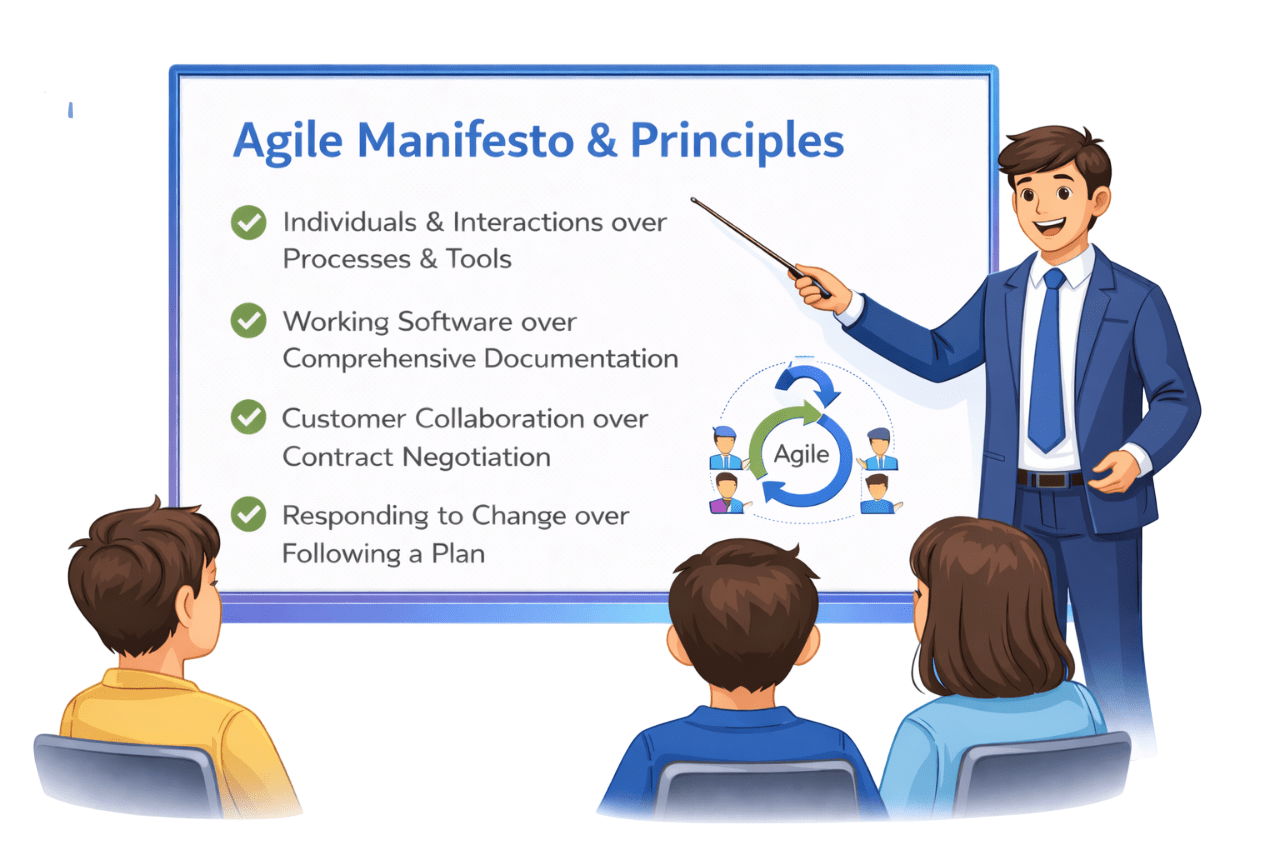
Agile Manifesto & Principles

Learning Outcome
5
Differentiate Agile from traditional models
4
Understand the 12 Agile Principles
3
Describe the 4 values of the Agile Manifesto
2
Explain why Agile was introduced
1
Understand the concept of Agile methodology
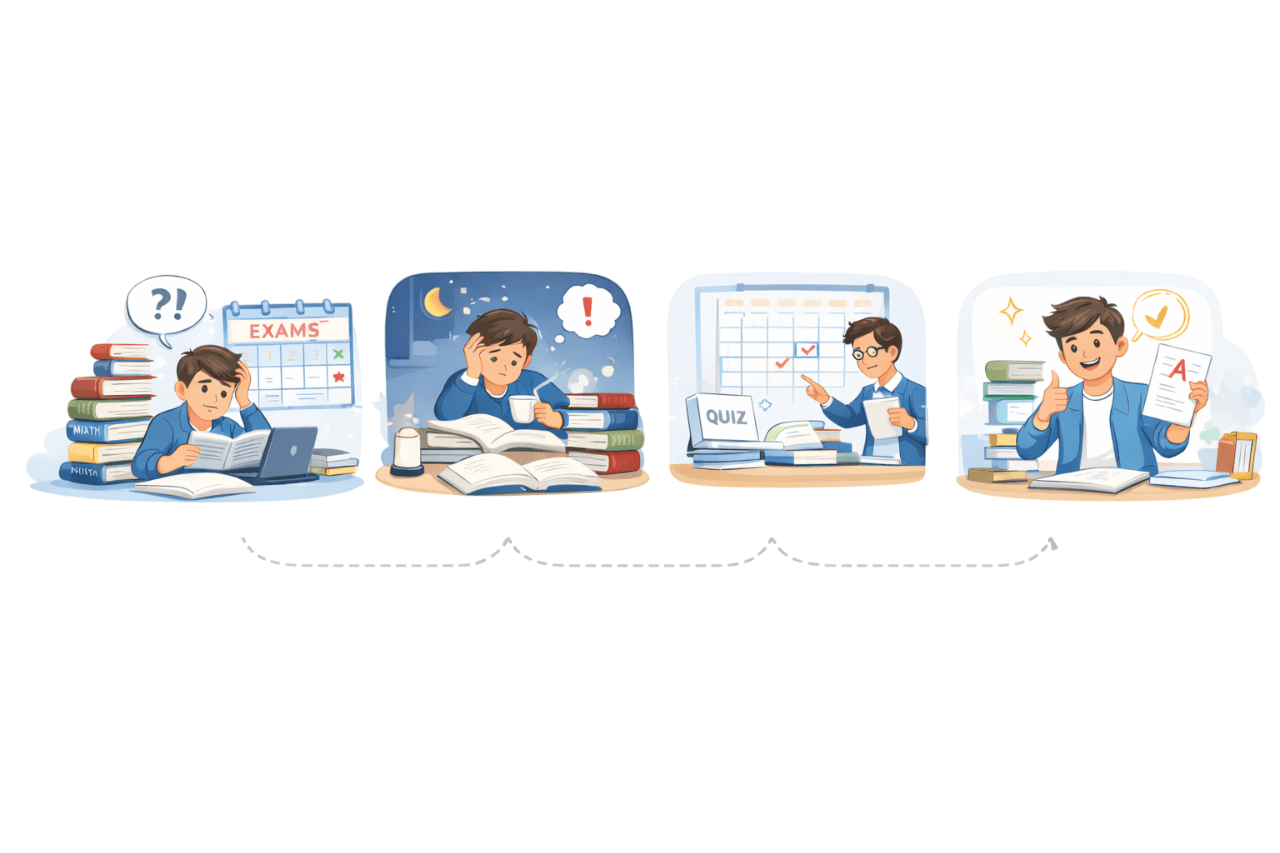
Semester Exams are coming
Many subjects, Limited time


The Traditional Way
Study all subjects at the end
Stress increases
Can't fix error

Study all subjects

High stress, High risk
Traditional :

The Agile Way
One Subject per week
Small tests
Get feedback from teacher


The Confident Before
Regular review enhances understanding
Fix errors early
Reduced stress

One Subject/Week
Less stress, better result
Agile :

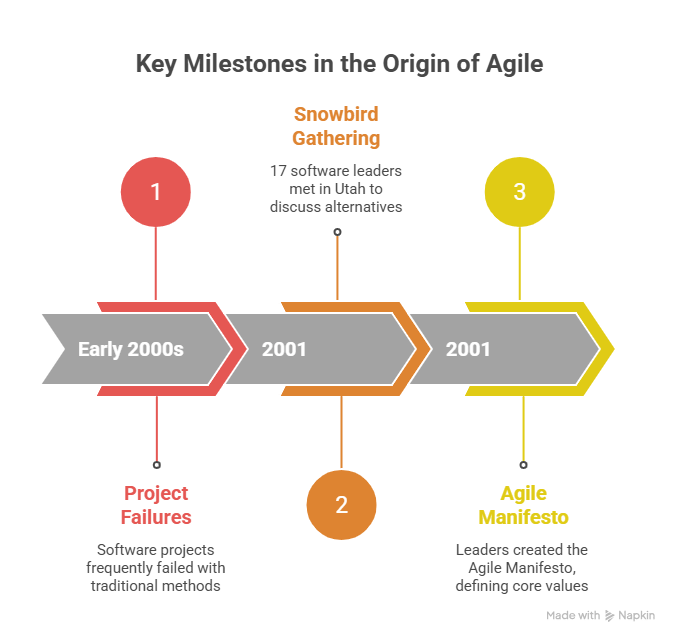
Project Failures
Software projects often fail with traditional methods
Snowbird Gathering
17 software leaders met in Utah to explore alternatives
Agile Manifesto
Leaders created the Agile Manifesto, defining core values
Origin of Agile
What is Agile?
Agile is a philosophy and methodology used to manage software projects in a flexible, collaborative, and customer-centric way.
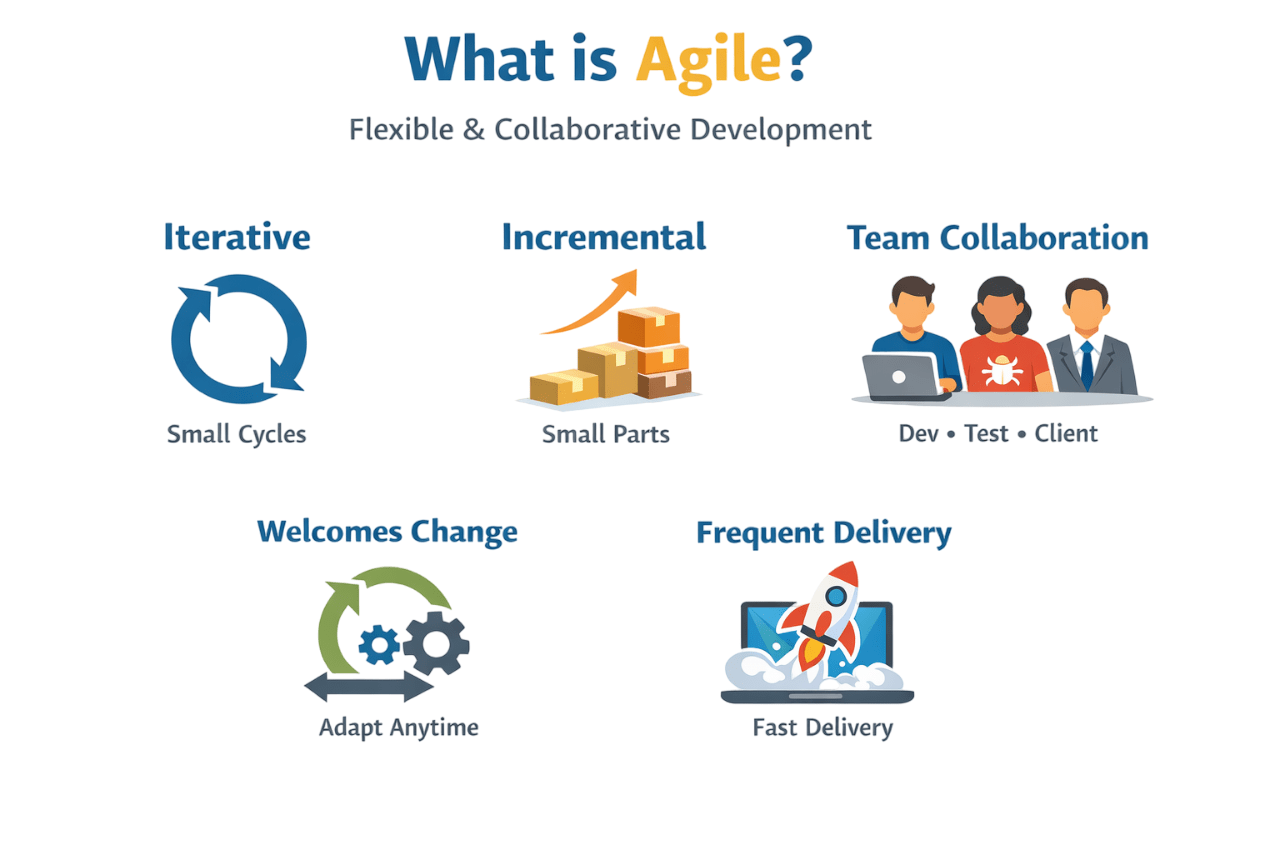
Incremental
Team Collaboration
Small Parts
Iterative
Small Cycles
Welcome Change
Adapt Anytime
Frequent Delivery
Fast Delivery
Why Agile Was Introduced?
Traditional Approach Issues
Slow Product Delivery
Long development cycles delay releases
Hard to Handle Changes
Changing requirements are difficult to incorporate
Testing Happens Late
Bugs are found only at the end of development

Limited Customer Feedback
Customers are not involved during development
Low Progress Visibility
Stakeholders cannot easily track project status
Higher Project Risk
Late issues can cause delays and cost overruns.
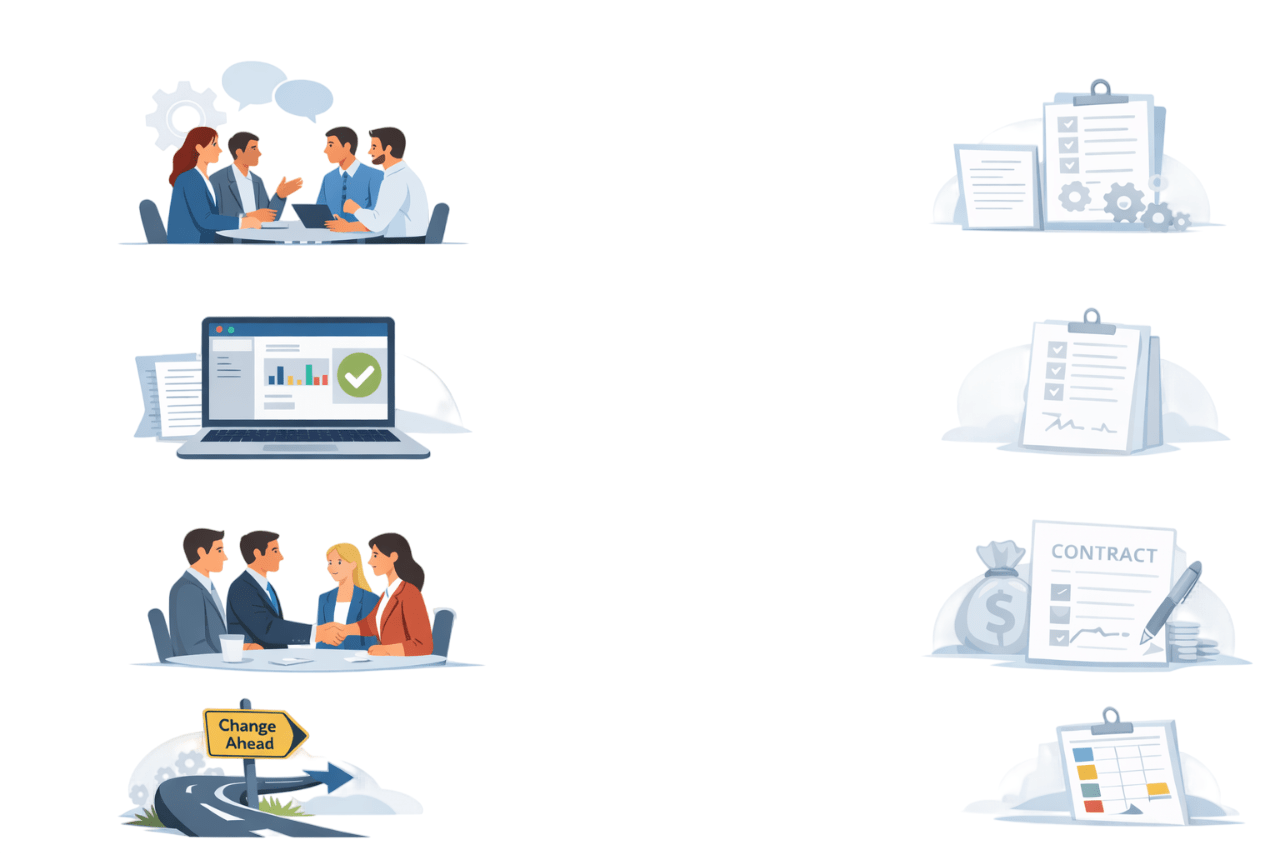
Individuals & interactions
Working Software
Customer Calloboration
Responding to change
Processes & tools
Extensive documentation
Contract negotiation
Following a fixed plan
Agile Four Core Values
Traditional Practices
Agile Four Core Values Vs Traditional practices
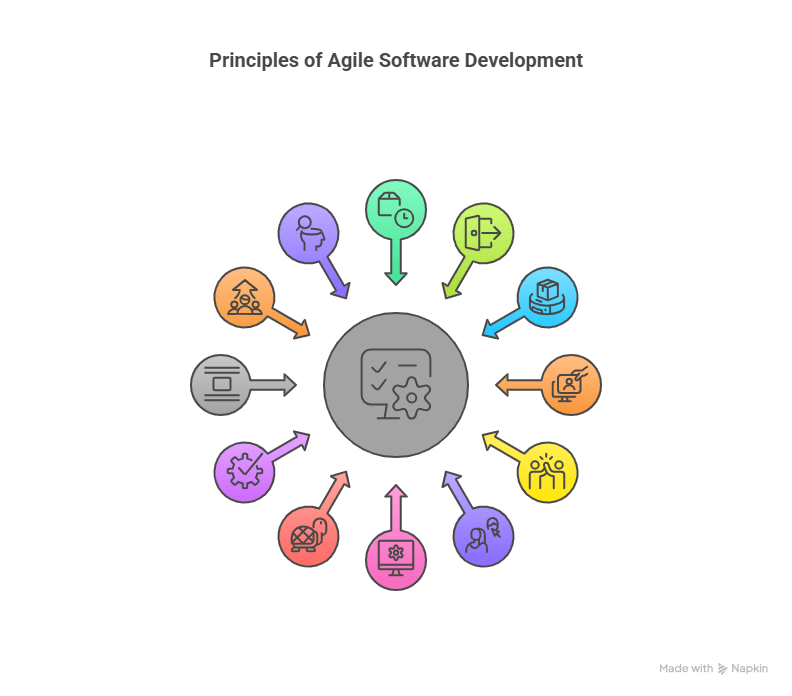
Early Delivery
Welcoming changes
Frequent Delivery
Calloboration
Motivated Individuals
Face to Face Communication
Working Software
Sustainable Pace
Technical Excellance
Simplicity
Self-organizing team
Regular Reflection
12 Agile Principle
Early and continuous delivery
Welcome changing requirements
Delivery software frequently
Working software measures progress
Delivery & Customer Focus

Team & Communication
Business and developers collaborate
Build around motivated teams
Prefer face-to-face communication
Self-organizing teams
Quality & Sustainability
Technical excellence and good design
Simplicity in development
Sustainable development pace
Regular Reflection & Improvement
Learning & Improvement
Importance of Agile
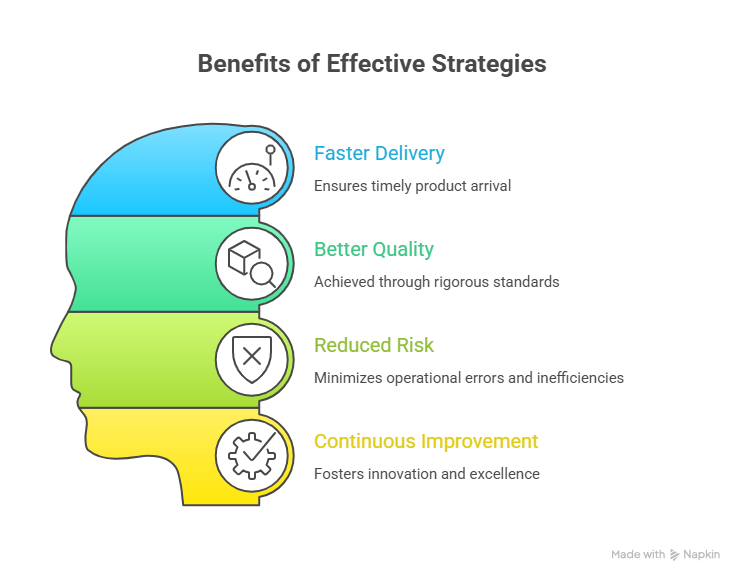
Faster Delivery
Quick releases with faster time-to-market
Better Quality
Continuous testing ensures high quality
Reduced Risk
Early feedback minimizes project risks
Continuous Improvement
Regular reviews drive ongoing improvement
| Phase | Waterfall | Agile |
|---|---|---|
| Requirements | Fixed at start | Change with feedback |
| Development | One long cycle | Small iterations |
| Testing | After development | After each sprint |
| Feedback | After release | After each demo |
WaterFall vs Agile
Summary
5
Continuous improvement is important
4
Change is welcomed in Agile
3
Working software is priority
2
Agile focuses on customer collaboration
1
Agile is flexible and adaptive
Quiz
Primary measure of progress in Agile is:
A. Documentation
B. Meeting duration
C. Working software
D. Budget

Quiz-Answer
A. Documentation
B. Meeting duration
C. Working software
D. Budget

Primary measure of progress in Agile is: