

What is an API
File Handling and Exception Handling
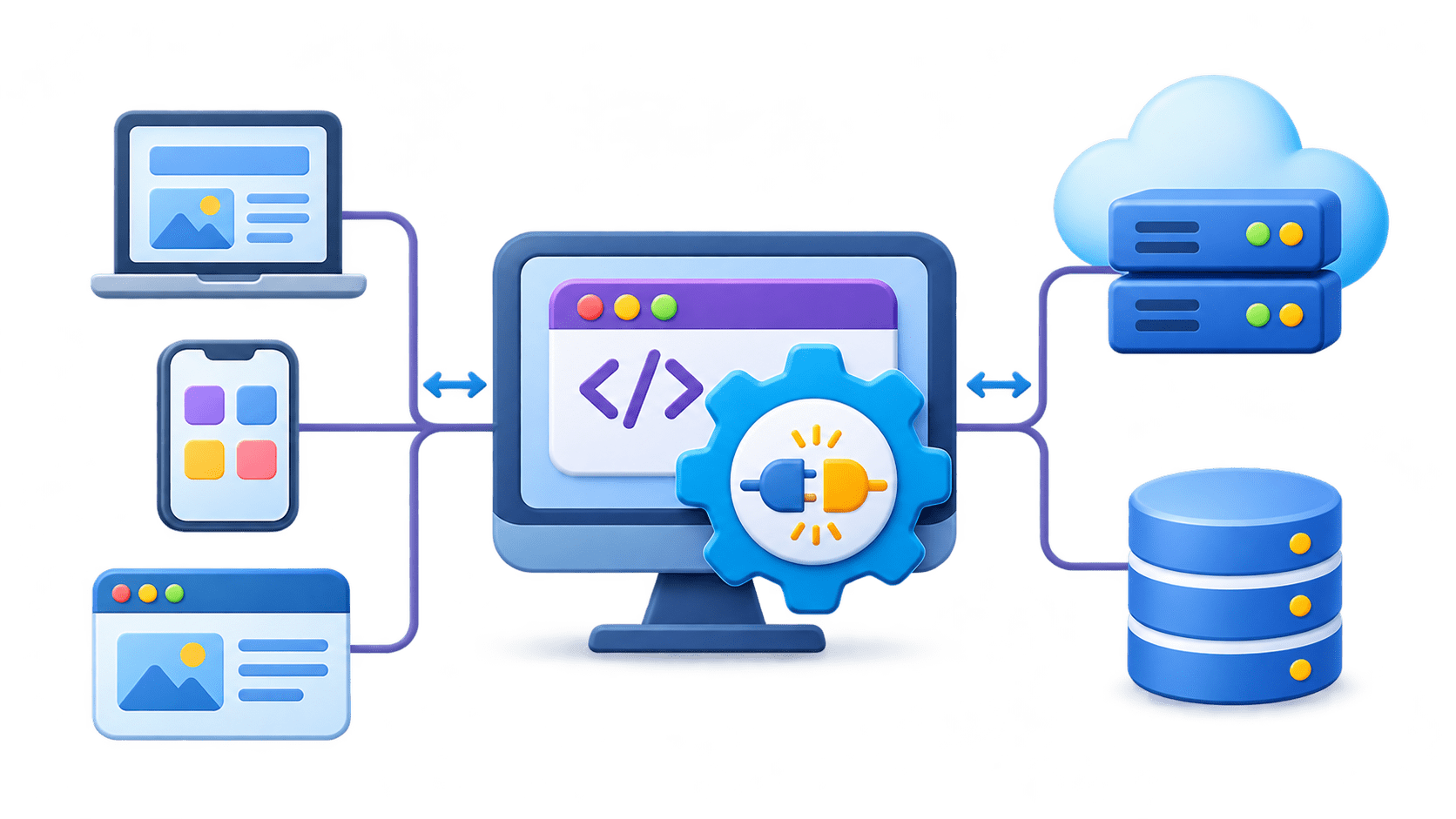

Learning Outcome
5
Connect APIs to Generative AI access.
4
Apply UI vs API to real scenarios.
3
Recognize the three types of APIs.
2
Identify the key components of an API.
1
Understand what an API is.
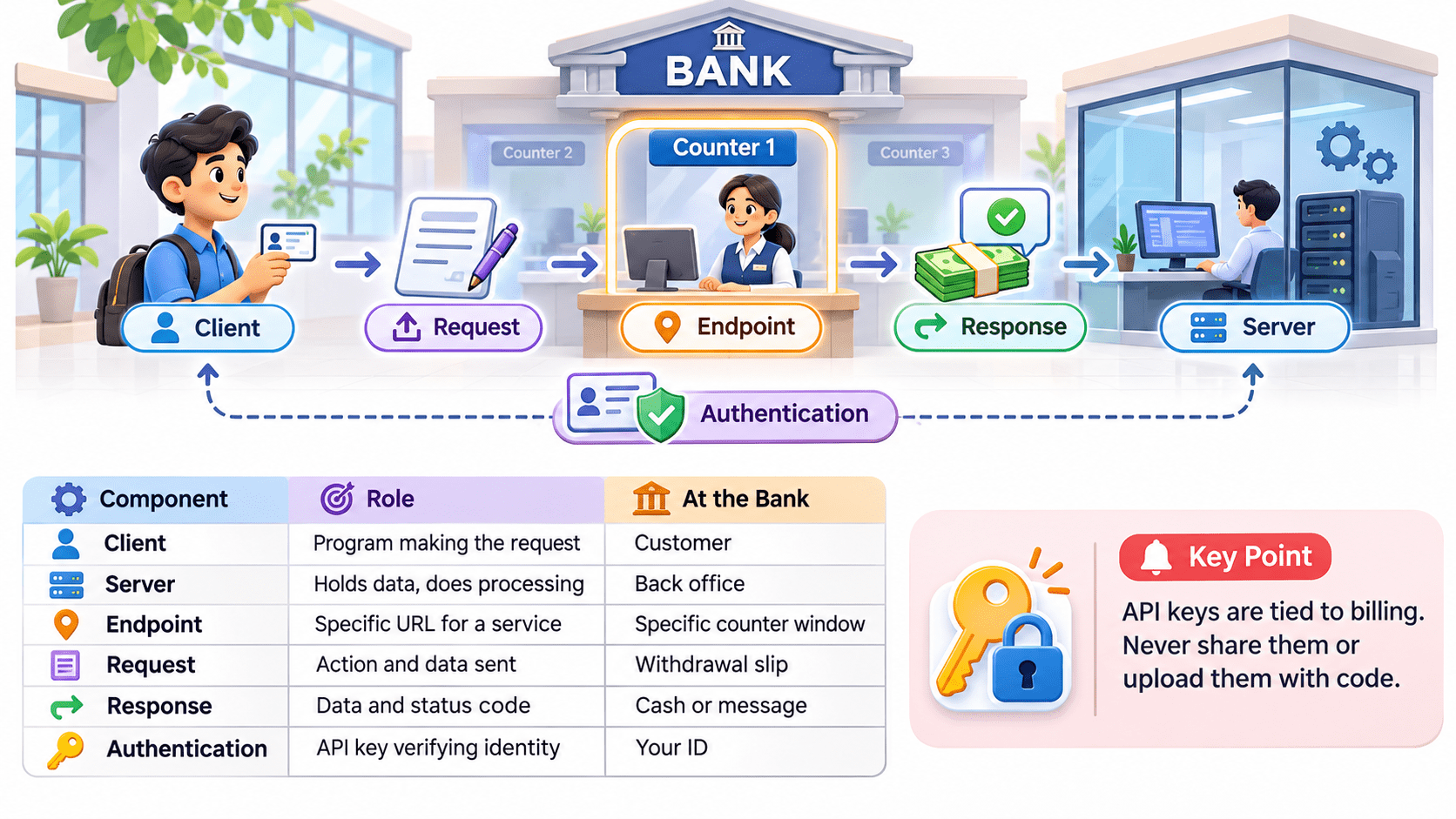
The Bank Counter
Core idea: the counter is an API: access without touching internals.
At a bank, you never enter the vault. You hand a slip and ID to the teller, who returns cash or a clear message like “insufficient balance.”
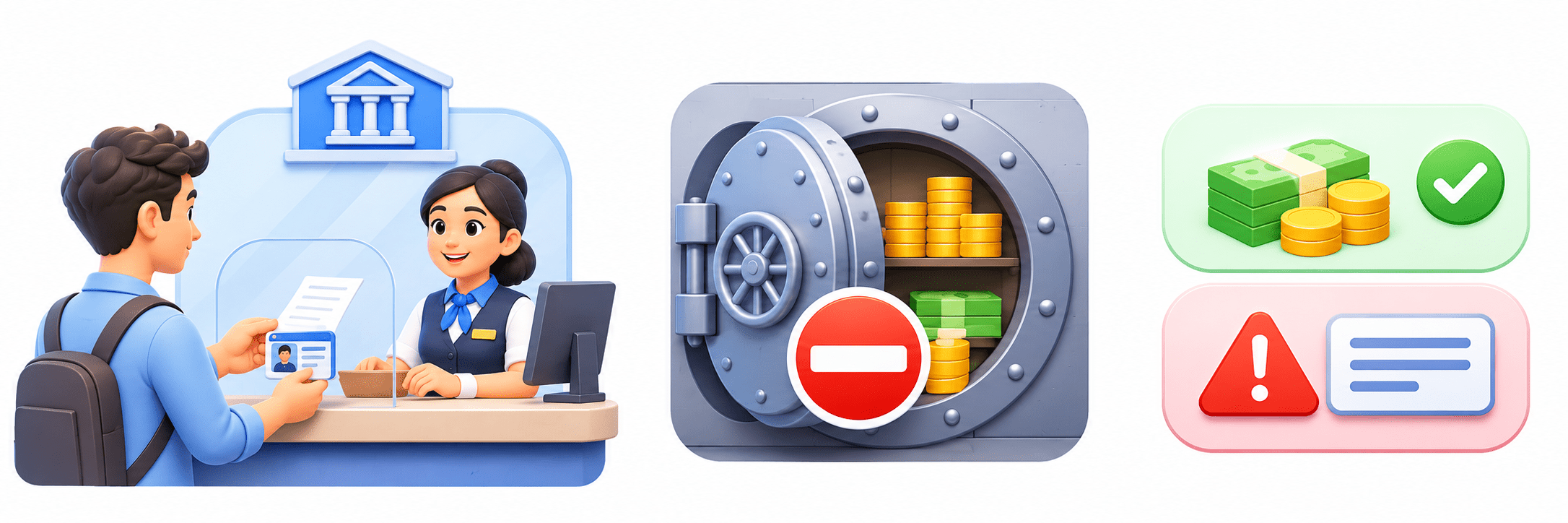
The counter has rules: valid ID, fixed format, daily limits.
Transition to Technical Concept: Think About It
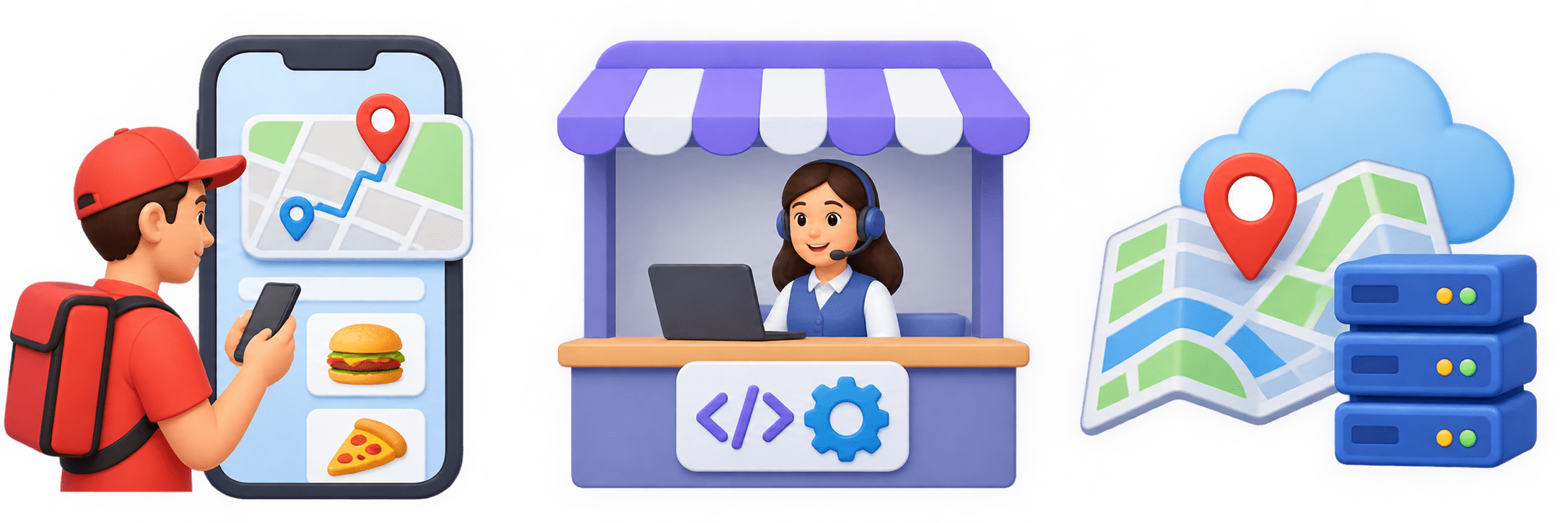
A food delivery app shows maps it never built.
A food delivery app shows maps it never built.
Expected Answer: No. It went to the counter, sending a request through an API.
Exactly! So what exactly is this counter?
What is an API?
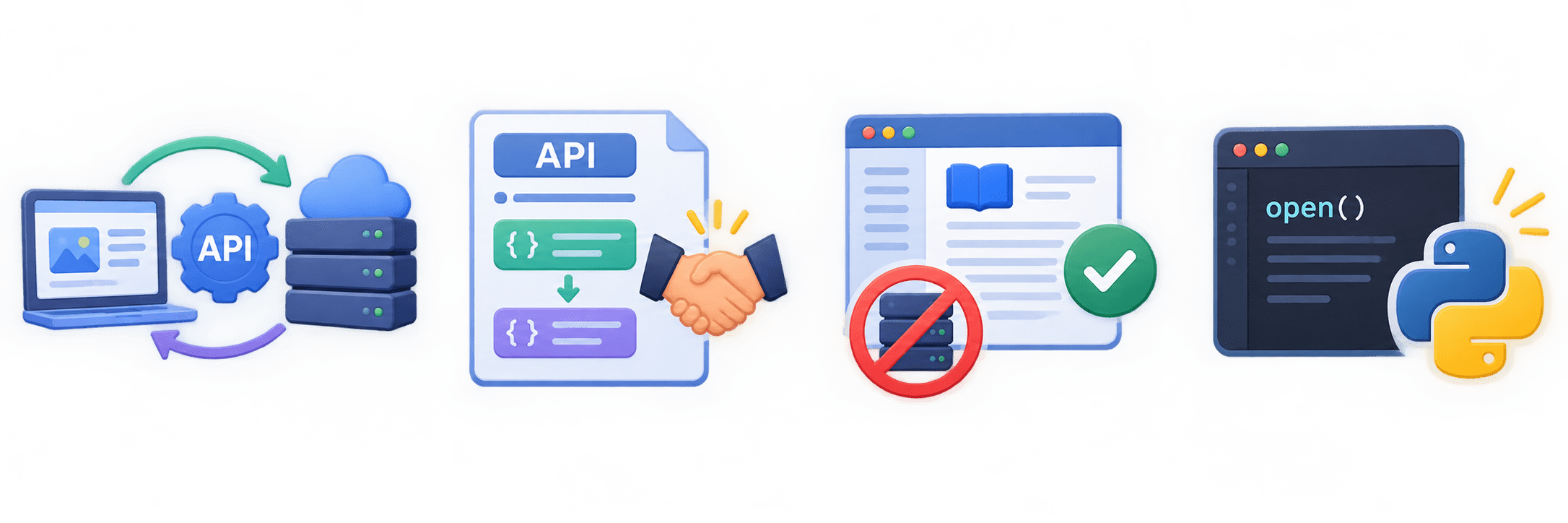
You’ve used one already: open() is part of Python’s API.
No need to know internals; the documentation is enough.
It’s a contract: right request format → agreed response format.
Application Programming Interface:
rules that let one program request data or services from another.
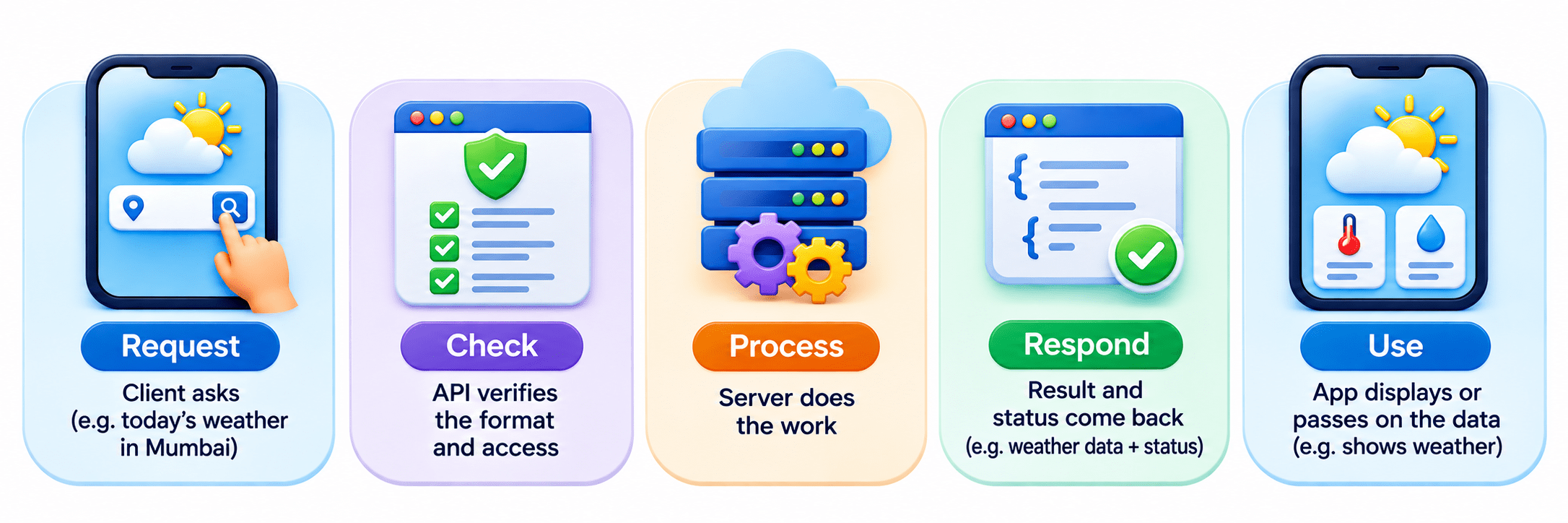
Why it matters: In this course, “API” mostly means web APIs, which work over the internet.
The API Cycle


Key Components of an API
Types of APIs
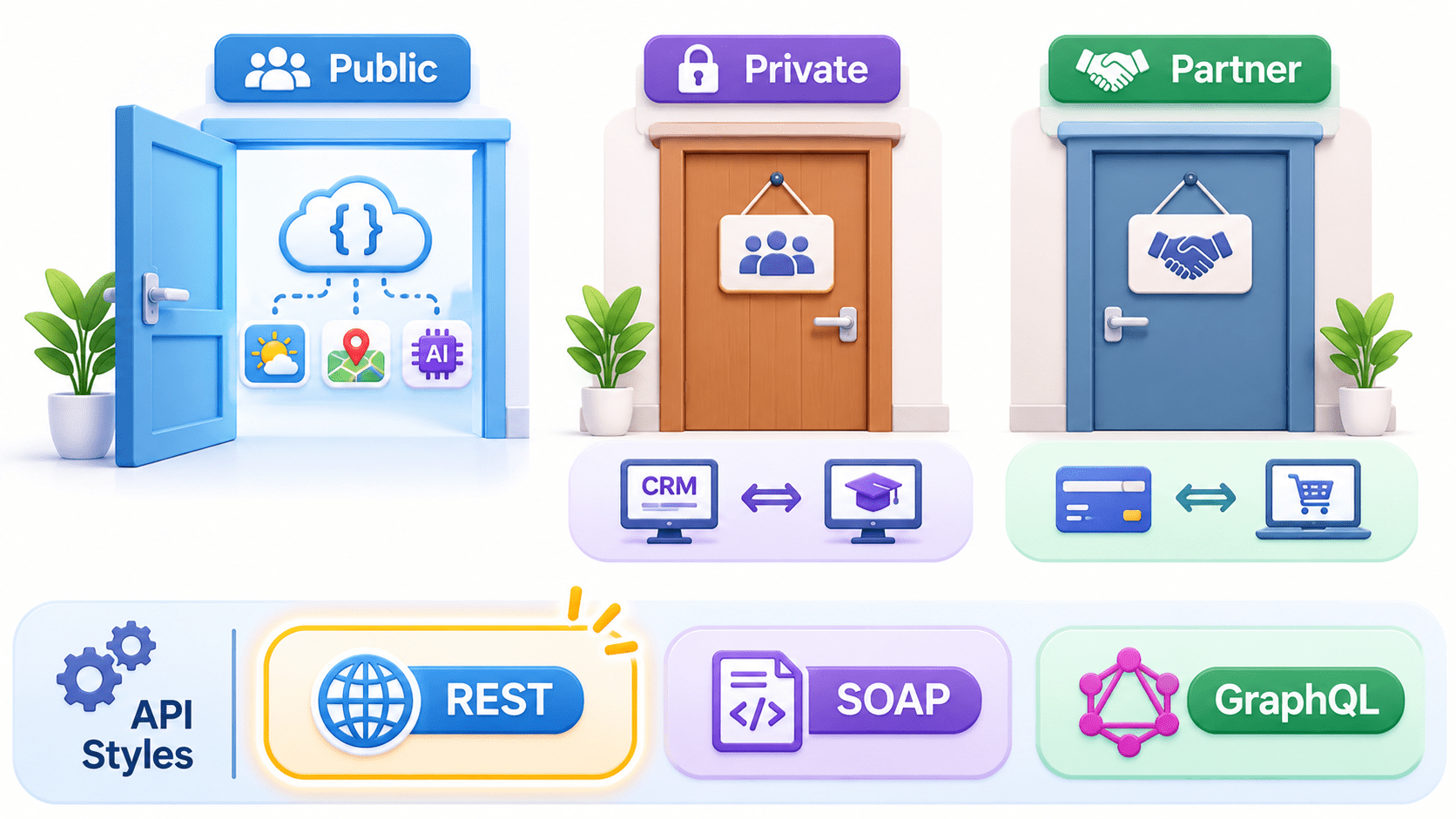
- Public: open to developers via an API key (weather, maps, AI models)
- Private: internal only (CRM ↔ LMS)
- Partner: shared under agreement (payment gateway ↔ e-commerce)
Styles: REST (most common, used by GenAI services), SOAP (older), GraphQL (newer)
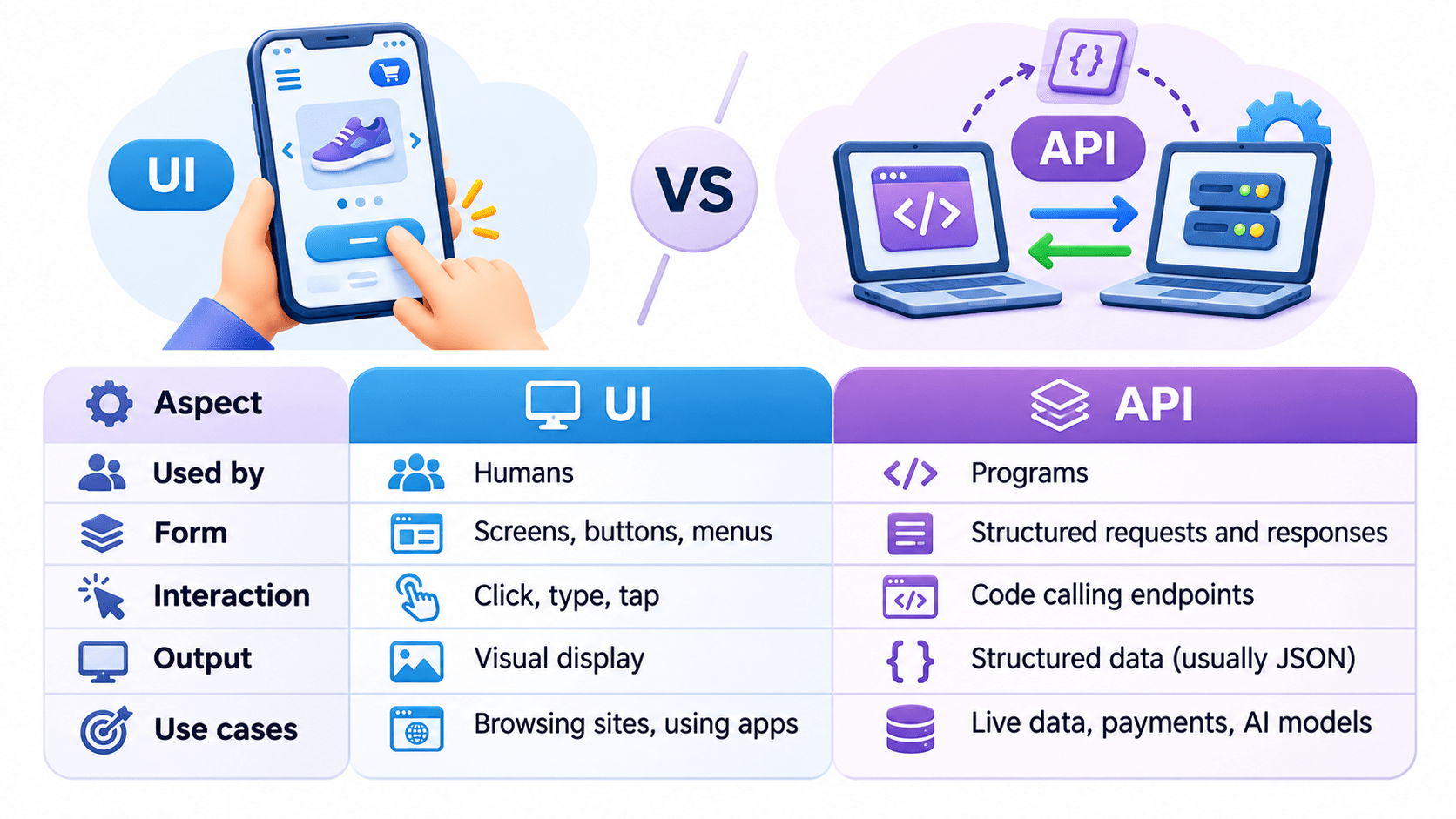
UI vs API (Comparison)
A Simple Way to Remember
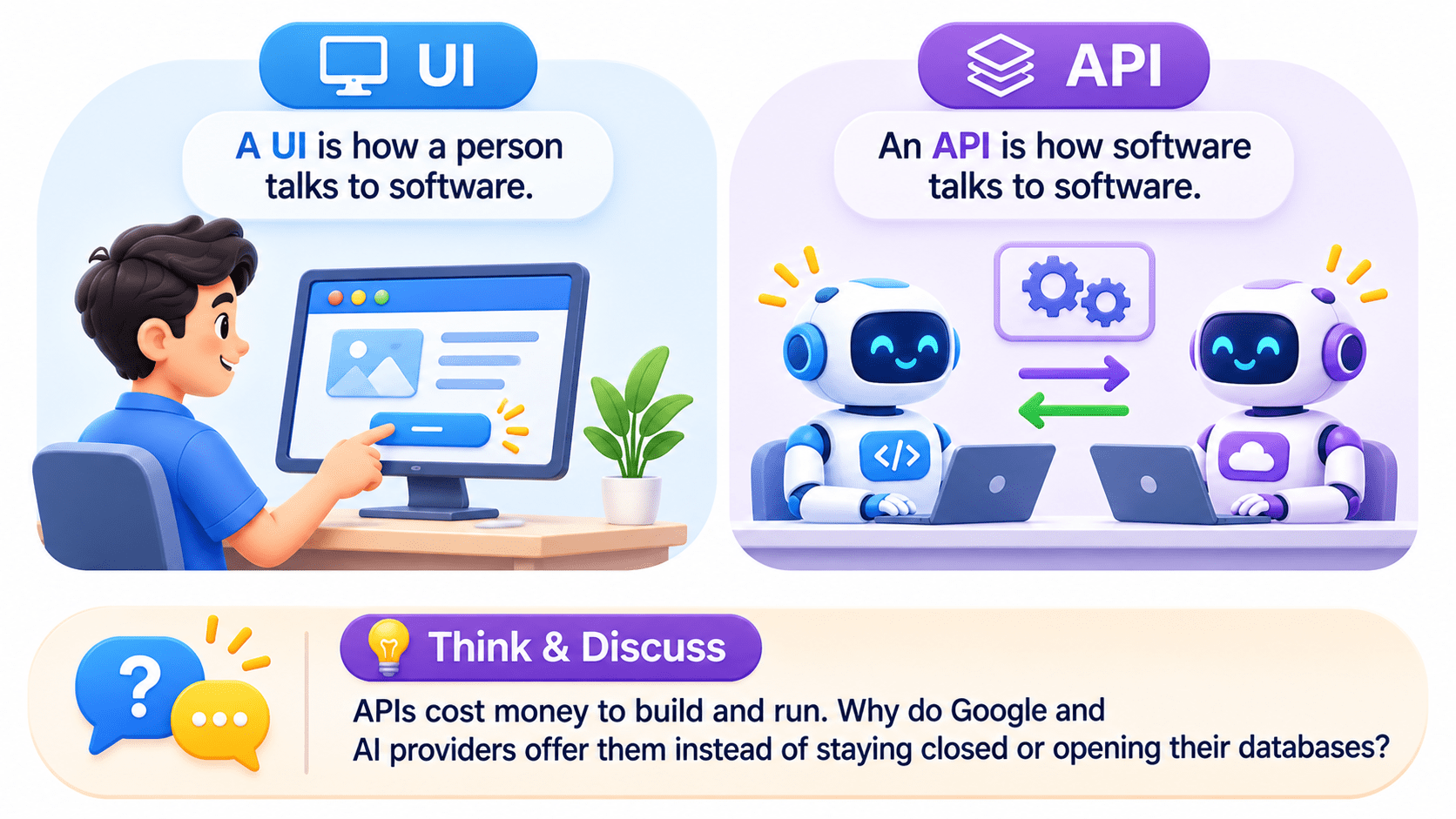
Think & Discuss: APIs cost money to build and run. Why do Google and AI providers offer them instead of staying closed or opening their databases?

Real-World Applications: UI or API?
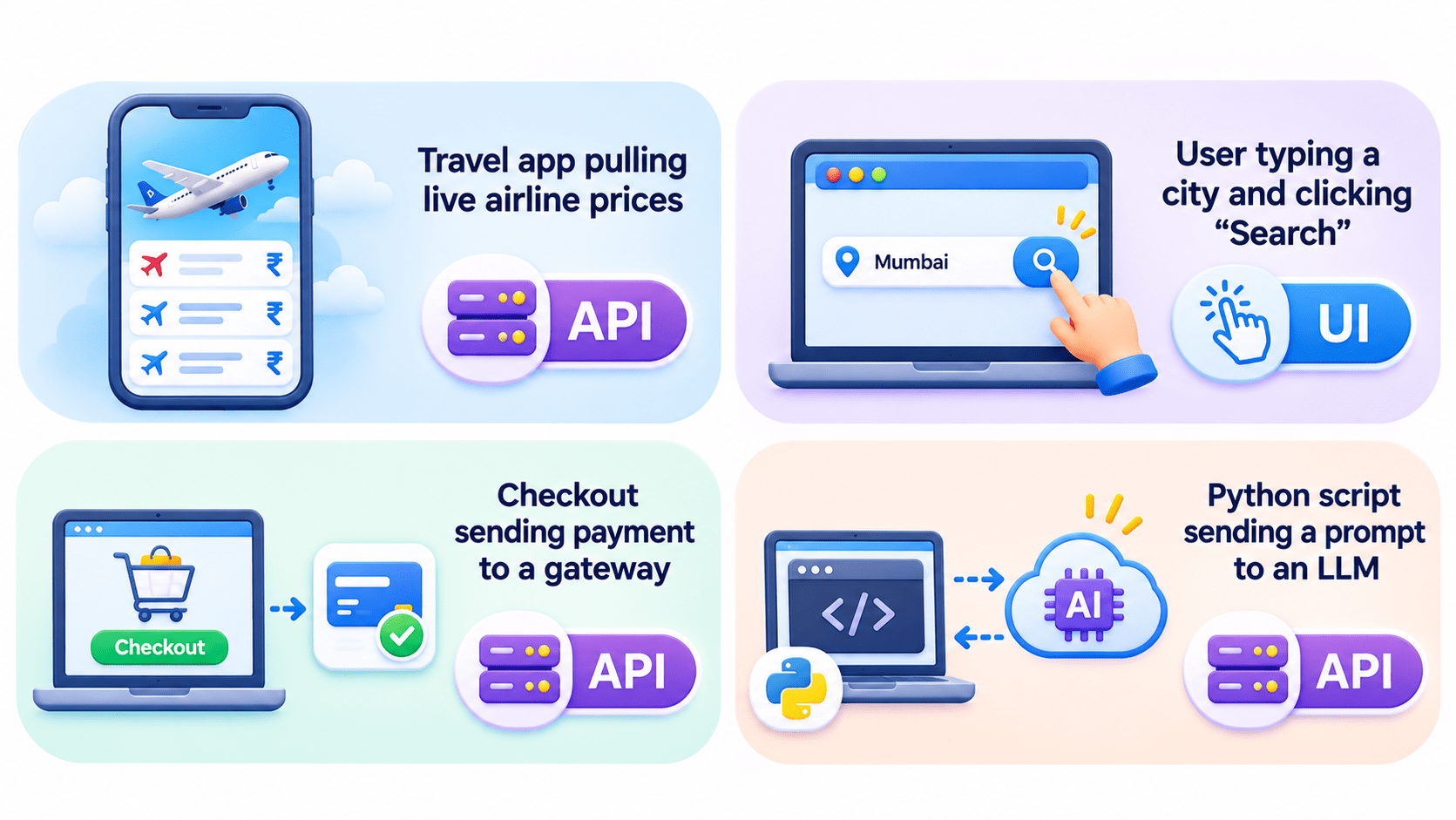
Why APIs Matter for Generative AI
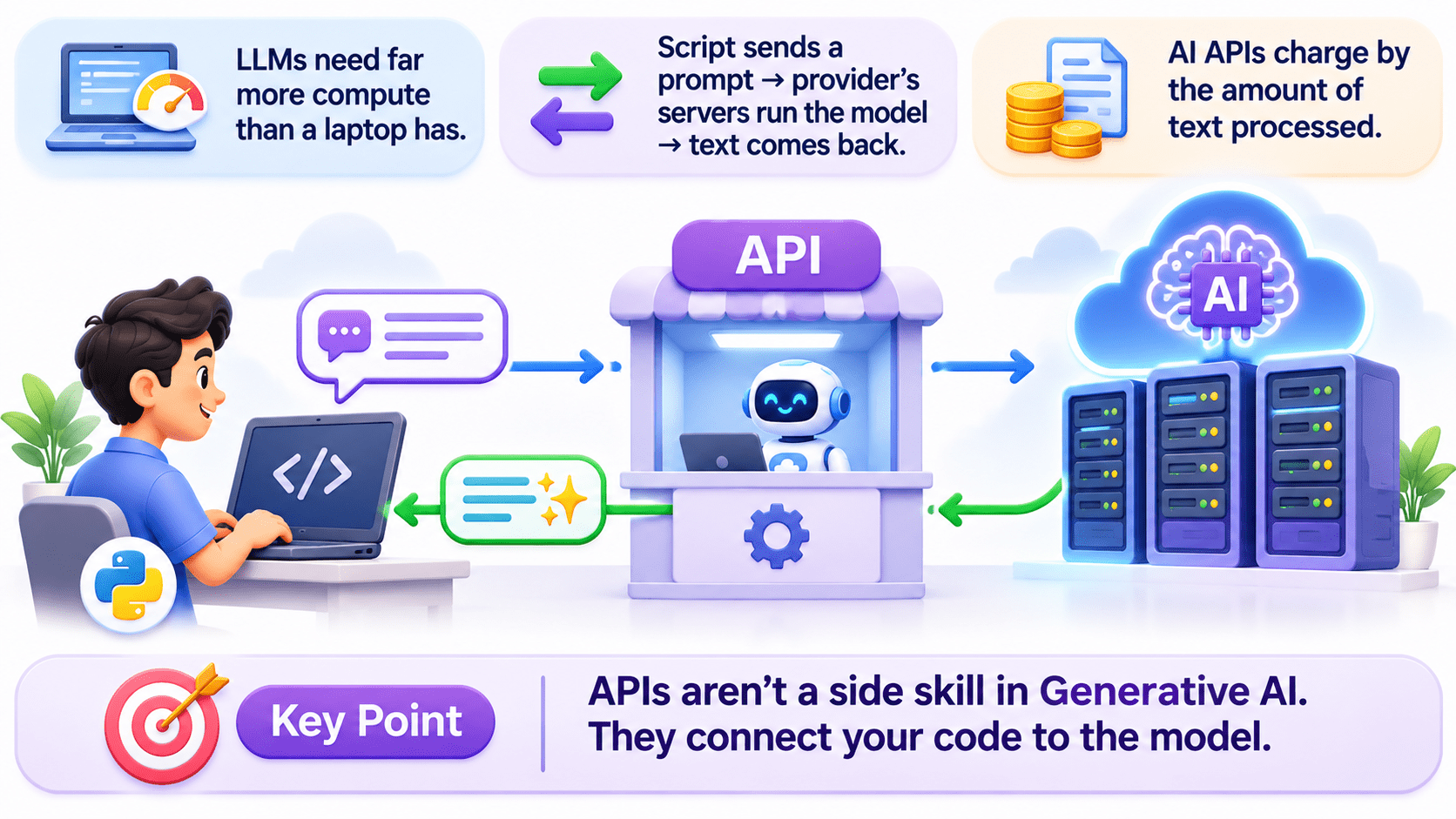
Key Point: APIs aren’t a side skill in GenAI. They connect your code to the model.
Summary
5
GenAI models are accessed through APIs.
4
UI is for people; API is for programs.
3
APIs are public, private, or partner; REST leads.
2
Client, server, endpoint, request, response, authentication.
1
An API lets software request from software.
Quiz
In “Sign in with Google” on a food app, who is the client?
A. Google
B. The food delivery app
C. The user’s password
D. The map provider

Quiz-Answer
In “Sign in with Google” on a food app, who is the client?
A. Google
B. The food delivery app
C. The user’s password
D. The map provider